Blog
Our Pocket-Sized Pups Blog
Everything about tiny dog breeds—care advice, training tips, puppy stories, and expert insights.
March 9, 2026
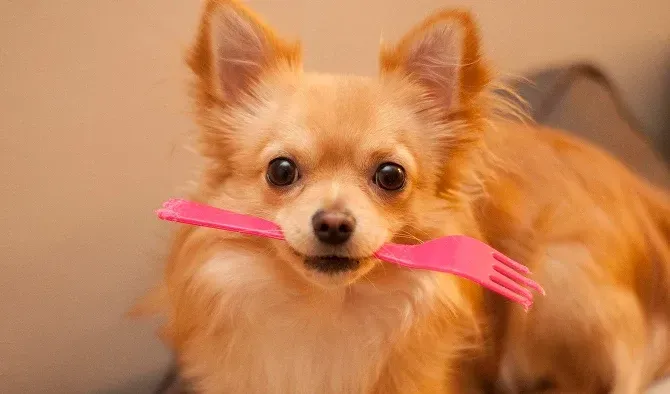
Puppy Nutritional Requirements Puppies differ significantly from adult dogs in terms of nutritional requirements. Due to their rapid growth and high energy levels, puppies require a higher calorific intake per unit of body weight than their adult counterparts. Their diet must be rich in protein to facilitate tissue development and support a healthy growth rate. In contrast, adult dogs need a diet tailored to maintain their health and energy levels, with a closer eye on calorie intake to prevent obesity. Furthermore, puppies benefit from a diet fortified with DHA, an omega-3 fatty acid crucial for brain and vision development, which is typically lower in adult dog formulations. Thus, pet owners should seek puppy-specific formulas that address these developmental needs and transition to adult formulas as recommended by a veterinarian based on the dog’s breed and size. Age-Appropriate Feeding: Puppy Feeding Schedule Feeding a puppy the correct amount at each stage of its early life is vital. Different breeds may grow at various speeds, but the age-appropriate feeding guidelines remain similar across the board. Here are the recommended puppy feeding schedule according your puppy’s age and phase in life. Newborn to 4 Weeks Puppies rely entirely on their mother’s milk during this time, which provides all the necessary nutrients for their growth. If the mother is unavailable, consult a veterinarian for an appropriate milk replacer and feeding schedule. 8 Weeks to 6 Months Puppies should be fed three to four times a day. At this age, they have high energy requirements and benefit from small, frequent meals. 6 Months to 1 Year Most breeds can be transitioned to three meals a day. Depending on the puppy’s growth and health, portion sizes may need adjustment. Large breed puppies may need to switch to a large-breed puppy formula that supports slower growth and helps prevent joint problems. 1 Year and Older Many dogs can transition to two meals per day, depending on their size and breed. Your veterinarian can help determine the right time to switch your puppy to adult dog food, which is typically around the 1-year mark for many breeds, although some of the large breeds puppies may not transition until 18 to 24 months. Breed-Specific Considerations in Puppy Feeding Breed size plays a critical role in determining the appropriate diet for a puppy. Small breeds, for instance, have higher metabolic rates and, therefore, may require more calorie-dense food administered in small, frequent meals to sustain their energy. Conversely, large and giant breeds need controlled growth to prevent bone and joint issues; hence, their diets typically include formulas with specific calcium to phosphorus ratios and relatively fewer calories to avoid rapid weight gain. Medium-sized breeds often have nutritional requirements that fall somewhere in between, necessitating a balanced approach to calorie intake. It’s crucial for pet owners to be cognizant of these differences and consult a veterinarian to obtain feeding recommendations tailored to their puppy’s breed, size, and individual health needs. Choosing the Right Puppy Food When selecting the appropriate food for your puppy, numerous factors come into play to ensure you’re providing the best nutritional support. Understanding these factors can help in making an informed decision that contributes to the overall health and well-being of your puppy throughout its formative years. Ingredient Quality High-quality ingredients should be at the core of your puppy’s food. Look for whole protein sources like chicken, lamb, or fish as the primary ingredient, rather than by-products or meal. Balanced Nutrition The food should offer a balance of proteins, fats, carbohydrates, vitamins, and minerals formulated specifically for puppies. Life Stage Appropriateness Puppies require different nutrients in different stages of their growth, so selecting a product that is age-appropriate is key. Foods are often labeled for different life stages such as ‘puppy,’ ‘adult,’ or ‘senior.’ Specific Breed Needs The breed of your puppy can dictate the type of diet it should be on. Small, medium, and large breeds might need different nutrient balances to support their health. AAFCO Standards Look for foods that comply with the Association of American Feed Control Officials (AAFCO) guidelines, ensuring the food meets basic nutritional requirements. Allergies or Sensitivities Be aware of any specific allergies or sensitivities your puppy may have, and choose a formula that is free from those ingredients. Palatability The food should not only be nutritious but also appealing to your puppy to ensure they eat enough to meet their dietary requirements. Company Reputation and Transparency Consider the brand’s reputation and their transparency about where they source their ingredients and how they manufacture the food. Price and Availability The right puppy food should also fit your budget and be readily available from pet stores or online retailers to avoid feeding interruptions. Veterinarian Recommendation Always consult with your vet when choosing puppy food, as they can provide personalized recommendations based on your puppy’s health, growth, and specific needs. By thoroughly assessing these factors, you can navigate the vast array of puppy foods on the market and make the best choice for your growing puppy. Wet Food or Dry Food? When it comes to choosing between wet or dry food for puppies, each type has its benefits that can contribute to the health and growth of the animal. Wet food, which typically comes in cans or pouches, is often more palatable and easier to eat for puppies, making it an excellent choice for younger dogs who may find dry kibble difficult to chew. It also helps to ensure that puppies, who require more water to support their rapid growth, stay hydrated. On the other hand, dry food, known as kibble, is more convenient to store and can be better for dental health as its crunchy texture helps reduce plaque build-up. Additionally, kibble is often more energy-dense and can help in promoting a feeling of fullness, which supports proper weight management as the puppy grows. To achieve a balanced diet, some pet owners opt to combine both wet and dry foods, thereby integrating the advantages of both forms. However, it’s essential to consult with a veterinarian to determine the most appropriate diet plan for a puppy’s specific needs and to ensure that they receive all the necessary nutrients for healthy development. Do I Give My Puppy Food If He’s Begging? Puppies may beg for puppy food due to hunger, habit, or simply because they’ve learned that it gets your attention. While it’s hard to resist those pleading eyes, consistently giving in can lead to overfeeding and bad habits. Instead of offering extra meals or treats every time your puppy begs, stick to a structured feeding schedule recommended by your vet. Use begging as an opportunity to reinforce good behavior by offering attention or playtime as an alternative reward. If the begging is persistent, check with your vet to ensure the feeding portions and schedules are meeting your puppy’s nutritional needs. Scheduled vs. Free-Feeding When it comes to feeding your puppy, there are generally two methods to consider: scheduled feeding and free-feeding. Scheduled feeding involves providing food at set times during the day, allowing control over portion sizes and ensuring that your puppy eats its meals at regular intervals. This can help establish a routine, prevent obesity, and make housetraining easier as their digestion schedule becomes predictable. On the other hand, free-feeding allows food to be available to your puppy throughout the day, letting them eat as they please. This method can be beneficial for puppies who are underweight or have trouble gaining weight, as it ensures that they always have access to food. However, free-feeding can make it challenging to monitor food intake, potentially leading to overeating and weight gain, and it can complicate housetraining. Each method has its advantages and drawbacks, and the right choice depends on your puppy’s specific needs and your lifestyle. Whichever method you choose, consistency is key to a healthy and happy puppy. Consult with your veterinarian to determine the best feeding approach for your puppy. Transitioning to Adult Food Transitioning to adult food is a significant milestone in your puppy’s life, marking the end of their rapid growth phase. As puppies near adulthood, their nutritional requirements change and the high-calorie diet that supported their initial growth can lead to unnecessary weight gain if continued. Typically, the shift to adult food should occur when a puppy reaches their anticipated adult size, which varies by breed-small breeds may transition around 9-12 months, while larger breeds can take 12-24 months. The process of changing food should be gradual, over the course of several weeks, mixing increasing amounts of the adult formula with the puppy formula to prevent digestive upsets. Pay close adherence to portion sizes and feeding frequency recommendations for adult dogs. Always follow the guidance of your veterinarian, as they will take into account factors unique to your dog’s health and lifestyle. Regular check-ups during this transition period can help ensure the dietary shift supports your dog’s continued health and well-being.

March 9, 2026
Why Leash Training is Crucial for Pups and People Alike Before we get into the ‘how,’ it’s crucial to understand the ‘why’ behind leash training. For starters, the dog training world and leash training your puppies is not a mere convenience; it’s about instilling obedience, which lays a strong foundation for all training that follows. Proper leash manners lead to a more enjoyable puppy walking experience, where you and your pet can enjoy quality time together without the stresses of pulling and yanking. More importantly, a dog that is not leash trained can pose significant safety risks, not only to themselves but to others. Make sure that you start training as soon as possible especially when you are raising a young dog. The ability to call your dog back to you and keep them under control at all times is a fundamental aspect of pet care. Furthermore, leash training promotes regular exercise, which is vital for your pup’s physical and mental health. Remember, dogs are social animals that enjoy the freedom of the outdoors. Leash training teaches them that outside time is a shared, structured experience, not a free-for-all activity. This approach nurtures a more balanced and enjoyable life for both pet and owner. Getting Started – The Leash, The Collar, and Understanding Equipment The right tools can make a world of difference in leash training. Opt for a lightweight, comfortable leash of about four to six feet for puppies. Collar options range from flat collars to harnesses and training collars, and each has its benefits. Flat collars are standard and useful for all purposes, while harnesses can provide more control, especially with strong or excitable pups. Just ensure they fit properly to avoid any discomfort for your pet. It’s also important to introduce your puppy to their leash and collar at a young age. Start indoors, where they are comfortable, and allow them to get used to wearing the equipment without immediately heading outside. Use treats and praise to create a positive association with the training process. Remember, the leash is not just a piece of rope; it’s a communication tool that allows you to link up with your dog in a way that can reinforce good behavior and correct unwanted actions. The Fundamentals – Patience, Praise, and Persistence Leash training begins with walking, not pulling. Ideally, when starting puppy training, dog owners should start in a quiet, familiar environment with minimal distractions. Begin by letting your puppy drag the leash around under your watch, letting them walk calmly. This helps them get used to the sensation without feeling confined or restricted. Gradually, you should pick up the end of the leash and follow your pup around, letting them set the pace and explore within reason. Keep puppy training session short and sweet-puppies have short attention spans, and you don’t want to overwhelm them. But be persistent and consistent; daily practice is key to progress. Every walk is an opportunity to reinforce good walking habits. Use treats to reward walking calmly by your side and verbal praise to show your approval. Step By Step Guide to Leash Training Your New Puppy The correct equipment is the foundation of leash training. Before you begin, it’s essential to have the right gear. Choosing the Right Collar or Harness – For many, the traditional collar with a leash is the first image that comes to mind. A flat chain or leather collar is a simple and effective choice for most breeds. However, certain dogs, particularly those with short muzzles or neck issues, may benefit from a harness. A harness can distribute pulling force across the chest and back, rather than the delicate neck area. Your pup’s comfort and safety should be top priorities. Collar/Harness Fit – It’s crucial to ensure that the collar or your puppy’s harness fits correctly. You should be able to fit two fingers between the dog’s neck and the collar, giving enough slack to be comfortable but not so loose that it can slip off. With a harness, it should be snug but not restrictive, and positioning and adjustments are paramount. Leash Length and Material – Leashes come in a variety of lengths and materials. A six-foot leather or nylon leash is an excellent all-around choice for most breeds. For more control or training purposes, a shorter leash can be advantageous. Material-wise, leather is durable and has a classic look, while nylon is easy to clean and can be more lightweight, which might favor more for smaller breeds. Familiarization with Collar/Harness Before you even attach a leash to the collar or harness, allow your puppy to get comfortable with the equipment. Positive Association – Every time you put the collar or harness on, offer a treat or engage in a play session. The goal here is to create a strong positive association with the equipment. Gradual Process – You should never rush the process. Start by introducing the collar or harness without pressure. Allow brief moments of wear, gradually increasing the duration. Always supervise your pup during this time to ensure they don’t get it caught on anything. Indoor Practice – Leash training should begin indoors, a familiar and safe environment for your puppy. It’s the ideal space to first associate the leash with calm and positive behavior. Leash Dragging – At first, allow the puppy to wear the leash inside with no tension. They will likely try to pull it off at first, so distract them with toys or treats to create a positive experience. A common approach is to have the leash on during meal times or play sessions when they’re most content. Teaching ‘Come’ with the Leash – Hold the leash and walk a few steps away, then call your puppy with a cheerful, “come!” When they do, reward them. This teaches them to associate following the leash with good things. Positive Reinforcement One of the most effective tools in training any dog, and particularly a puppy, is positive reinforcement. Treats – Use high-value treats that your puppy loves to reward them for desired behaviors. Always offer treats immediately after the good behavior to reinforce the connection. Praise – Dogs crave your approval, so verbal praise and affection should accompany treats. Patience and consistent praise will encourage your puppy to repeat good leash-walking behaviors. Gradual Exposure to Outdoor Environment Once your puppy is comfortable with equipment and walking on a loose leash indoors, it’s time to move the practice outside. Backyard or Patio – Start in a familiar and low-distraction area, such as your backyard or a quiet patio. Reinforce the indoor lessons, using treats to encourage positive behavior as you walk together. Short Trips – Initially, keep outdoor walks very short and peaceful, focusing more on exposure and calming association than distance or commands. It’s your puppy’s first venture into the wider world and can be a bit overwhelming. Practice Basic Commands The basic commands of sit, stay, come, and heel are invaluable for leash training. Sit at Crosswalks – Teach your puppy to sit at crosswalks as a precursor to learning to heel. This is a critical safety measure and a way to consolidate training outside the home. Incorporate Commands into your dog walks – Throughout your walks, reinforce basic commands with associated treats. Be mindful not to overdo it; walks should still be enjoyable and somewhat exploratory for your puppy. Handling Pulling and Distractions All puppies will pull on the leash, often with great excitement, at some point. Managing this behavior is crucial for both your pup’s comfort and your ability to enjoy walks together. The Stop Technique – If your dog pulls ahead, come to a complete stop. Stand still and wait for the leash to slacken, then continue walking. This method teaches your puppy that pulling leads to stopping and reduces the behavior. With this technique, dogs learn to stop pulling. Distraction Training – Distractions, such as other dogs, people, or fascinating smells, are a huge part of your puppy’s world. Use controlled training sessions to desensitize them to distractions while on the leash. Consistency and Patience Consistency in training methods among all family members and patience with your puppy’s progress are key for successful leash training. Consistent Responses – For the stop technique and any other dog training methods, make sure everyone in your household responds the same way to pulling or other behaviors. Mixed signals can confuse your puppy. Understanding Developmental Stages – Puppies go through developmental stages that might affect their training. Be patient and adjust expectations as needed. Consistent training will yield results as your puppy grows and learns. Gradual Exposure to Different Environments Your puppy will need to feel comfortable and respond well on a leash in a variety of environments. New Terrains – Introduce your puppy to different terrains and settings – from quiet suburban streets to bustling city sidewalks. Each new environment requires a new adjustment period for your pup. Practice Makes Perfect – Practice in these areas regularly, using the same positive reinforcement and techniques. The more varied environments your puppy experiences success, the more adaptable they will become. Safety First Leash training should always prioritize safety, both for your puppy and for you. Traffic Awareness – Always keep a close eye out for traffic and teach your puppy from the first walk to be aware of their surroundings. Teach them to stay on one side of you on a loose leash during walks to ensure they’re farthest from traffic. Identification – Accidents happen. Make sure your puppy has proper identification, either in the form of a microchip or a tag, in case they should get lost. Leash training your puppy is an investment in a lifetime of enjoyable walks. It’s a process that requires commitment, patience, and a lot of love. Remember, the aim is not to create a military-style march, but rather to teach your puppy the appropriate behavior for a leisurely, safe, and enjoyable stroll. Each step you take together is a new adventure, and with these tips, those steps will soon be their own reward. Teaching Loose Leash Walking Teaching your pup to walk without puppy pulling is the ultimate goal of leash training. To do this effectively, you must be consistent with your training and positive reinforcement. Here are the steps to achieve this: Step One – Stand Still Whenever your puppy pulls on the leash, stop walking. Stand still and wait for them to ease the tension. The moment they do, praise and reward them. This teaches your puppy that pulling gets them nowhere, but walking at your pace is rewarded. When they walk a few paces without pulling, make sure to pat them and reward them for being patient. Step Two – Change Directions If your pup continues to pull, change directions quickly and without warning. This breaks their focus and emphasizes that they need to pay attention to your movements. Be sure to praise and reward when they follow without pulling. Step Three – Be Their Anchor When your pup pulls, be like an anchor-stop dead in your tracks. There will be a moment when they look back at you to see why you’ve stopped. Use this moment to your advantage and reward them for their attention. Step Four – Practice, Practice, Practice Practice makes perfect. Consistency in your training methods will reinforce good walking behavior. Remember to be patient and calm. Your puppy is learning, and it’s a process that takes time. Using Command Words to Reinforce Leash Training Training your pup with consistent commands can make all the difference. Utilize phrases like ‘heel’, ‘easy’, or ‘leave it’ to redirect their focus and encourage desired behavior. For example, ‘heel’ tells your dog to walk beside you without pulling. ‘Easy’ is a cue to slow down, and ‘leave it’ is to ignore a distraction. These commands should be reinforced with treats and praise. Gradually, reduce the frequency of treats as your pup becomes more reliable with their obedience, but always keep verbal encouragement consistent. What to Do When Training Isn’t Going as Planned Training a puppy is rarely smooth sailing, and hiccups are to be expected. Here are some common problems and solutions: Pulling If your pup is a natural tugger, practice in a familiar environment until they are much more comfortable with the process. Use high-value treats to keep their attention and be patient. Additionally, consider a front-clip harness for better control. Barking or Lunging These behaviors often stem from excitement or fear. Slow down and provide more distance from triggers, gradually decreasing that distance as your pup learns to remain calm. Use treats and calming techniques to redirect their attention. Distractions It’s natural for puppies to be curious about their surroundings. When your pup is distracted, use command words and gentle pulls to bring their focus back to you. Over time, they’ll learn to listen to your cues rather than following their impulses. Crafting Safe and Enjoyable Walks for Your Puppy Training Philosophy When it comes to leashes, the common saying “you’re only as strong as your weakest link” couldn’t be truer. Likewise, your leash is only as effective as the training that comes with it. The underlying philosophy is simple but profound-positive reinforcement of desired behaviors. Your puppy should come to associate walking on a leash with good things, like tasty treats and your boundless affection. If you focus on what your dog should do instead of what they shouldn’t do, training can be both effective and enjoyable. Acclimatization to the Leash Start with simple exposure to the leash in a positive environment. It might sound overly cautious, but even the sight of a leash can cause anxiety or fear in other dogs. Use the following tips to ensure a smooth transition: Introduction at Home. Begin with short sessions where the leash is introduced as a toy, bringing excitement and interest. Desensitization Wearing the leash, even indoors, becomes normal. This step is crucial so that when it’s finally used during a walk, it’s not a source of stress. Equipment and Fit The success of your leash training is greatly influenced by the equipment you use and how it fits. The leash itself is important, but so is the collar or harness it’s attached to. Collar and Harness Types Choose from a variety of collars and harnesses, but consider starting with a basic harness or a head halter (like a Halti or Gentle Leader) that gives you more control over your pup’s movements. 2. Proper Fit Whatever equipment you choose, it must be fitted correctly. A collar should be snug so that only two fingers can fit between the collar and the neck. A harness should not have any dangling straps that could get caught.
March 9, 2026
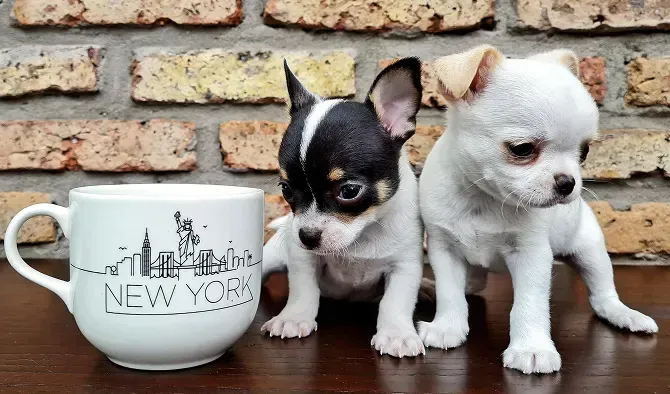
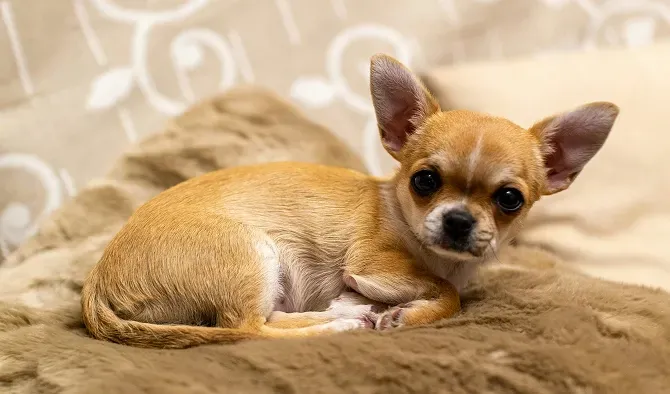
Teacup Chihuahuas are an extremely small variation of the Chihuahua breed, selectively bred to be even tinier than the standard version. While not officially recognized as a separate breed, their miniature size has made them a popular choice for those who want a compact companion that can easily fit into small living spaces or be carried around. Their size often sparks curiosity and conversation, as many potential owners wonder just how small these dogs are and what to expect as they grow. This article, brought to you by Brooklyn Puppy Boutique, will help you understand the typical growth patterns, final size, and important considerations when it comes to caring for a Teacup Chihuahua so you can make an informed decision before bringing one home. Dog Breeds Chihuahuas belong to the toy group of dog breeds and are known for their tiny stature paired with a bold, confident personality. Within the breed, there are variations in size, coat type, and coloring, giving each Chihuahua its unique look. While Teacup Chihuahuas are bred to be smaller than the breed standard, they share the same spirited nature as their standard-sized counterparts. Understanding the characteristics of the Chihuahua breed helps owners appreciate their intelligence, loyalty, and adaptability, whether they live in an apartment or a larger home. What Is a Teacup Chihuahua? The term “Teacup” refers to an unofficial label used to describe Chihuahuas that are significantly smaller than the breed standard. The American Kennel Club does not recognize “Teacup” as a separate classification, which means these dogs are still considered regular Chihuahuas in the eyes of official breed registries. The name simply comes from their extremely small size, often small enough to fit into a teacup when they are puppies. Teacup Chihuahuas differ from standard Chihuahuas primarily in their small stature. While a standard Chihuahua typically weighs up to 6 pounds, Teacup Chihuahuas usually remain between 2 and 4 pounds when fully grown. Their height is also shorter, often standing around 5 to 8 inches tall, compared to the slightly taller standard variety. The tiny size of Teacup Chihuahuas is the result of selective breeding, where breeders pair the smallest dogs in a litter to produce even smaller offspring. While this practice can achieve the desired miniature look, it may also increase the risk of certain health issues due to a smaller gene pool and potential fragility. If you are considering a Teacup Chihuahua, it is important to understand both the appeal and the care needs that come with their petite stature. Key differences from standard Chihuahuas include: Smaller adult weight, typically 2–4 pounds. Shorter height, usually 5–8 inches. Breeding practices focused on producing a miniature appearance. Chihuahua Puppy A Chihuahua puppy, especially in its earliest weeks, is incredibly small and delicate, making gentle handling and attentive care essential. These puppies typically weigh just a few ounces at birth, but they grow quickly during the first few months. Socialization and early training are important at this stage to encourage good behavior and prevent nervousness or excessive barking later in life. For Teacup Chihuahua puppies, the need for careful monitoring is even greater due to their fragility and higher susceptibility to low blood sugar and accidental injury. Average Size of a Teacup Chihuahua Teacup Chihuahuas are known for their exceptionally small size, which is one of their main attractions. Fully grown, they typically weigh between 2 and 4 pounds, making them much lighter than the average Chihuahua. Their height usually falls between 5 and 8 inches from the ground to the top of the shoulders, giving them a delicate, compact build that is easy to carry and manage. When compared to standard Chihuahuas, the size difference is noticeable. A standard Chihuahua generally weighs between 5 and 6 pounds, which may not seem like much, but in such a small breed, even a pound or two creates a significant change in overall appearance and frame. Growth in Teacup Chihuahuas happens quickly during their early months but begins to slow as they approach adulthood. Most will reach their full height and nearly their full weight by around 9 months of age, with only minor changes afterward. By the time they are 12 months old, their size typically stabilizes, although their body may fill out slightly with age. Typical size characteristics include: Weight : 2–4 pounds fully grown. Height : 5–8 inches tall. Growth timeline : Rapid growth in the first 6 months, slowing significantly after 9 months. Growth Timeline of a Teacup Chihuahua Teacup Chihuahuas go through a series of rapid growth phases in their first year, with the most noticeable changes happening during the first few months of life. Understanding this growth timeline helps owners track their development and ensure they are staying healthy. From 0 to 3 months , Teacup Chihuahuas experience their fastest growth. During this stage, they develop rapidly in both weight and height, often doubling or tripling their birth weight. Proper nutrition and gentle care are crucial during this period, as their tiny bodies are still very fragile. Between 3 and 6 months , most of the size gain takes place. Their bones, muscles, and coordination improve, and they start to resemble miniature versions of their adult selves. This is also when their energy levels and playfulness peak, contributing to healthy physical development. From 6 to 12 months , growth begins to slow. While they may gain a small amount of weight or height, the changes are far less dramatic than in the earlier months. By the end of this stage, most Teacup Chihuahuas are very close to their full-grown size. At 12 months and older , their weight and height generally stabilize. While their physical size will remain consistent, their body may fill out slightly as they mature, especially if their activity level or diet changes. Key growth stages include: 0–3 months : Rapid growth and development. 3–6 months : Majority of size gain occurs. 6–12 months : Slower growth, nearing adult size. 12+ months : Size and weight remain stable. Factors That Influence Size Several factors determine how big a Teacup Chihuahua will grow, and understanding them can help owners set realistic expectations. While these dogs are bred to be small, there can still be slight variations in size from one Teacup Chihuahua to another. One of the most significant factors is genetics . The size of a puppy’s parents is often a good indicator of how large the dog will be as an adult. Breeders often pair the smallest Chihuahuas to produce smaller offspring, but even then, genetics can produce slight differences in weight and height. Nutrition and feeding habits also play a role. A balanced diet with proper portions ensures healthy growth without causing the puppy to become underweight or overweight. Overfeeding can add unnecessary pounds to a small frame, while underfeeding can stunt development. Certain health conditions can impact size as well. Issues such as digestive disorders, metabolic problems, or congenital defects may slow growth or cause weight fluctuations. Regular veterinary checkups help catch and address these concerns early. Lastly, exercise and activity level influence muscle tone and body composition. While Teacup Chihuahuas do not require intense physical activity, consistent gentle play and short walks promote healthy development without straining their tiny bodies. Key factors affecting size include: Genetics : Size of the parents and breeding lines. Nutrition : Quality and quantity of food. Health conditions : Medical issues that affect growth. Exercise : Level of safe, regular activity. How to Tell if Your Teacup Chihuahua Is Growing Normally Monitoring your Teacup Chihuahua’s growth is an important part of ensuring they are developing properly. While each dog may grow at a slightly different pace, there are general guidelines you can follow to determine if your puppy is on track. Expected weight milestones can help you gauge normal progress. Most Teacup Chihuahuas weigh around 1 to 1.5 pounds by 8 weeks old, 2 to 3 pounds by 6 months old, and reach their adult weight of 2 to 4 pounds by 12 months. These numbers are approximate, but significant deviations may warrant a closer look. Signs of healthy growth include steady weight gain, improved coordination, bright and alert eyes, a shiny coat, and playful energy. Your puppy should be active and curious, with a healthy appetite and regular eating habits. You should consult a vet about growth concerns if your Teacup Chihuahua is losing weight, has trouble eating, appears lethargic, or is not meeting expected size milestones. Rapid weight gain can also be a red flag, as it may put unnecessary strain on their tiny frame and lead to other health issues. Growth checkpoints to keep in mind: Weight milestones : 1–1.5 lbs by 8 weeks, 2–3 lbs by 6 months, 2–4 lbs fully grown. Healthy signs : Steady weight gain, playful behavior, bright eyes, shiny coat. Vet visit triggers : Noticeable weight loss, lack of appetite, slow or rapid growth outside the normal range. Common Misconceptions About Teacup Chihuahua Size Teacup Chihuahuas are surrounded by a number of myths that can lead to unrealistic expectations for new owners. Understanding these misconceptions helps ensure you know what to expect when caring for one. A common belief is that they will keep growing past one year , but in reality, most Teacup Chihuahuas reach their full height and nearly their full weight by around 9 months. By the time they are 12 months old, their growth has usually stopped, with only minor changes in body shape or muscle tone occurring afterward. Another misconception is that smaller means healthier . While their small size may be appealing, extreme miniaturization through selective breeding can sometimes increase the risk of health issues such as fragile bones, hypoglycemia, or heart problems. A healthy Teacup Chihuahua is not necessarily the tiniest one; it is one with balanced proportions and good overall wellness. It is also incorrect to assume that all Chihuahuas under 5 pounds are “Teacups.” The term “Teacup” is not an official breed classification but rather an informal label used for marketing. Many standard Chihuahuas naturally weigh under 5 pounds without being bred specifically to be extra small. Misconceptions to keep in mind: They keep growing after one year : Most are fully grown by 12 months. Smaller equals healthier : Extreme smallness can come with added health risks. All under-5-pound Chihuahuas are Teacups : Some small Chihuahuas are just naturally petite without special breeding. Travel and Transport Tips for Tiny Breeds Because of their portability, Teacup Chihuahuas often accompany their owners on errands, vacations, or family visits. While this can be a wonderful bonding opportunity, it requires extra care to ensure safety and comfort. Travel essentials and tips: Use a secure, well-ventilated carrier – Choose one with a padded bottom, small enough to prevent jostling but roomy enough for comfort. Secure the carrier in vehicles – Use a seatbelt or harness attachment to keep it stable during sudden stops. Never allow free roaming in cars – It’s unsafe for both the dog and driver. Check airline requirements – Confirm size limits, policies, and paperwork before flights. Plan frequent breaks on long trips – Give them time for water, bathroom needs, and gentle exercise. Pack travel supplies – Collapsible water bowl, snacks, and any medications. Avoid extreme temperatures – Hot weather: Provide shade, water, and never leave them in a parked car. Cold weather: Use a sweater or blanket for warmth. With preparation, travel can be enjoyable for both you and your dog while minimizing risks. Health Considerations for Small Size While Teacup Chihuahuas are undeniably adorable, their tiny size comes with unique health challenges that owners must be prepared to manage. Their small frames make them more vulnerable to certain conditions, and extra care is needed to keep them safe and healthy. Risks related to their tiny stature include: Fragile bones : Due to their delicate skeletal structure, even minor falls or rough handling can lead to fractures. Jumping from furniture or being accidentally stepped on can cause serious injury. Hypoglycemia : Low blood sugar is common in very small dogs, especially puppies, and can lead to weakness, confusion, seizures, or even death if not treated promptly. Feeding them small, frequent meals helps prevent sudden drops in glucose levels. Breathing or heart issues : Their miniature size can make them prone to respiratory problems and congenital heart defects. Symptoms like persistent coughing, labored breathing, or unusual fatigue should be addressed immediately. Regular vet visits are essential for Teacup Chihuahuas because early detection of health issues can significantly improve outcomes. Routine checkups help monitor their weight, detect potential problems before they become severe, and ensure their vaccinations and preventive care are up to date. Given their higher health risks, a proactive approach to veterinary care is key to supporting a long, happy life. Caring for a Fully Grown Teacup Chihuahua Once a Teacup Chihuahua reaches adulthood, their care routine should focus on maintaining a healthy weight, supporting their delicate frame, and preventing injuries. While their needs are similar to standard Chihuahuas, their smaller size means they require extra attention in certain areas. An appropriate diet for small breeds is essential. Teacup Chihuahuas benefit from high-quality, nutrient-dense food designed for toy or small dogs, as it provides the calories and nutrients they need in smaller portions. Feeding them two to three small meals a day helps maintain steady energy levels and prevents hypoglycemia. Avoid overfeeding, as even a small amount of excess weight can strain their tiny joints. Safe exercise guidelines focus on gentle, low-impact activities. Short daily walks, light playtime indoors, and mental stimulation through toys or training are usually enough to keep them healthy and happy. Avoid overly strenuous activities or rough play with larger dogs to prevent injury. Protecting them from injury due to their size is a top priority. Their small bones make them vulnerable to fractures, so it’s important to block access to high furniture, use pet ramps when needed, and supervise interactions with children and other pets. Keeping them warm in colder weather is also important, as their small bodies lose heat quickly. Key care points for adults include: Diet : Small-breed, nutrient-rich food in controlled portions. Exercise : Gentle daily activity with no high-impact play. Safety : Prevent falls, rough handling, and exposure to extreme temperatures. Teacup Chihuahuas typically weigh 2 to 4 pounds, stand 5 to 8 inches tall, and reach full size by about 12 months, but their tiny stature comes with special care needs. Size should never outweigh health and well-being, as extremely small dogs can face higher health risks. Choosing a responsible breeder like Brooklyn Puppy Boutique , who prioritizes health over appearance, along with providing gentle handling, proper nutrition, and regular vet visits, will help ensure your Teacup Chihuahua thrives and enjoys a happy, healthy life. Trust Brooklyn Puppy Boutique for Healthy Teacup Chihuahuas If you want to ensure your Teacup Chihuahua grows up healthy and free from common genetic health issues, choose Brooklyn Puppy Boutique. We care for our puppies and parent dogs like family and provide accurate health records so you can have confidence in your new companion’s wellbeing. Explore our available teacup and Chihuahuas today, or take a look at our other purebred tiny dog breeds. We work with Maltese , Shih Tzus , Yorkies , Pomeranians , and Poodles .

March 9, 2026
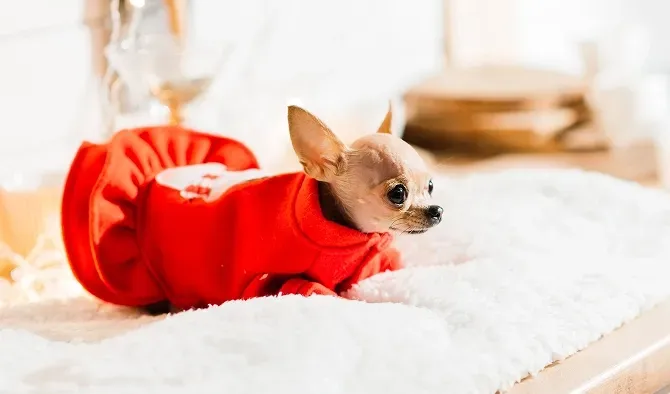
Teacup Chihuahuas have captured the hearts of many dog lovers with their tiny size, big personalities, and irresistibly cute appearance. Weighing only a few pounds when fully grown, they are often considered an ideal choice for small living spaces and for owners who enjoy having a constant, devoted companion. Their charm, loyalty, and lively spirit have made them a popular addition to many households, and trusted breeders like Brooklyn Puppy Boutique are dedicated to raising healthy, well-socialized puppies that are ready to become part of the family. While they do have unique care needs because of their delicate build and spirited temperament, these same traits also make them one-of-a-kind and deeply rewarding pets. In this article, we’ll explore the pros and cons of having a Teacup Chihuahua as a family companion so you can discover whether this adorable little dog might be the perfect fit for your home. Teacup Chihuahuas Teacup Chihuahuas are an unofficial variation of the Chihuahua breed, selectively bred to be smaller than the already tiny standard Chihuahua. While not recognized as a separate breed by major kennel clubs, the term “Teacup” is commonly used to describe Chihuahuas that weigh significantly less than the breed standard, often under four pounds when fully grown. Their small stature makes them highly sought after by those looking for an especially petite companion. Compared to standard Chihuahuas, Teacup Chihuahuas differ in a few notable ways: Size: Teacup Chihuahuas are noticeably smaller, sometimes fitting into the palm of your hand as puppies. Temperament: While both types share the breed’s bold and spirited personality, Teacup Chihuahuas may be more dependent on their owners for protection due to their fragile size. Care Needs: Their tiny frames make them more prone to injuries, requiring gentle handling, careful supervision, and extra attention to temperature changes and nutrition. Because of their size and delicacy, Teacup Chihuahuas demand more specialized care than their standard-sized counterparts, making it important for prospective owners to understand the responsibilities involved before bringing one home. Teacup Chihuahua Dog as a Family Pet Teacup Chihuahuas may be tiny in size, but they often have personalities that far exceed their stature. They are known for being affectionate, loyal, and sometimes a little feisty. Many form deep bonds with their primary caregiver and enjoy being close to their family members, whether that means sitting on laps, following them from room to room, or snuggling under blankets. While they can be playful and energetic, they also appreciate quiet moments and thrive on attention. When it comes to adaptability, Teacup Chihuahuas can adjust to a variety of living situations, but certain conditions suit them better than others: Apartment Living: Their small size makes them an excellent choice for people in apartments or smaller homes. Low to Moderate Activity Households: They don’t require extensive exercise but do benefit from short walks and light play. Calm Environments: They adapt best to homes without constant roughhousing or loud chaos, as stress and physical risk can affect their health. Attentive Owners: Because they crave companionship, they do best in households where someone is home for much of the day. Overall, a Teacup Chihuahua can be a loving and charming addition to the right family, but their delicate nature means they thrive in homes where their needs and boundaries are respected. Dog Breed Background The Chihuahua is one of the oldest dog breeds in the Americas, with origins tracing back to ancient civilizations in Mexico. They are believed to be descendants of the Techichi, a small companion dog kept by the Toltec people as far back as the 9th century. Later, the Aztecs refined the breed into a smaller, more agile dog that was cherished for companionship and, in some cases, cultural significance. Modern Chihuahuas were named after the Mexican state of Chihuahua, where the breed was first discovered by travelers in the mid-1800s and later brought to the United States. The “Teacup” variation emerged much later as a result of selective breeding. Breeders began pairing the smallest Chihuahuas in hopes of producing dogs that stayed exceptionally small even in adulthood. While this breeding practice created the highly sought-after Teacup Chihuahua, it also increased the risk of certain health challenges due to the reduced genetic diversity and the emphasis on extreme size reduction. Key points about the Teacup Chihuahua’s background include: Ancient Heritage: Direct links to small companion dogs kept by ancient Mexican civilizations. Breed Recognition: The Chihuahua is recognized by major kennel clubs, but “Teacup” is a descriptive term, not an official category. Size-Focused Breeding: The Teacup’s tiny size is achieved through generations of selecting the smallest dogs for breeding. Understanding this history helps explain both the Teacup Chihuahua’s appeal and the care considerations that come with owning such a delicate dog. Pros of Owning a Teacup Chihuahua Owning a Teacup Chihuahua can come with several appealing benefits, especially for families or individuals looking for a small, affectionate companion. Their size, personality, and adaptability can make them a great fit for certain lifestyles. Small Size & Portability Teacup Chihuahuas are among the smallest companion dogs, making them incredibly easy to carry and travel with. They fit comfortably in a small carrier or even a handbag, which is convenient for trips to the vet, car rides, or visits with friends. Their compact size also makes them ideal for small living spaces such as apartments, condos, or tiny homes. Long Lifespan One of the advantages of the Chihuahua breed, including Teacups, is their long life expectancy. Many live between 12 to 15 years, and some reach their late teens with proper care. For committed families, this means enjoying a long-lasting bond and companionship over many years. Bonding & Loyalty Teacup Chihuahuas are known for their strong attachment to their owners. They often choose a favorite person and remain devoted, following them around the house and seeking constant closeness. This loyalty can make them deeply rewarding pets for those who want a loving and attentive companion. Low Exercise Needs Unlike larger breeds that require extensive physical activity, Teacup Chihuahuas are content with short walks and light indoor play. They can get much of their exercise simply by moving around the home. This makes them a good choice for people with limited mobility, busy schedules, or no access to large outdoor spaces. Cons of Owning a Teacup Chihuahua While Teacup Chihuahuas have many appealing qualities, they also come with challenges that potential owners should carefully consider. Their size and breeding history contribute to certain health, behavior, and compatibility issues that may not make them the right choice for every household. Health Issues & Health Problems Teacup Chihuahuas are prone to a variety of health concerns due to their extremely small size and selective breeding. Common problems include: Fragile Bones: Their tiny skeleton makes them vulnerable to fractures from even minor falls or rough handling. Hypoglycemia: Low blood sugar can occur quickly and may require frequent small meals to prevent weakness or seizures. Dental Issues: Overcrowded teeth and gum problems are common, requiring diligent dental care. Heart Disease Heart-related conditions, such as mitral valve disease, are more frequently seen in Chihuahuas, and the smaller Teacup variety can be especially vulnerable. Owners should watch for symptoms like coughing, difficulty breathing, or lethargy, and regular vet checkups are essential for early detection. Bark A Lot Teacup Chihuahuas are known for being vocal, often barking to alert their owners of visitors, noises, or perceived threats. While this can make them good watchdogs, excessive barking can be disruptive, especially in apartments or neighborhoods with close neighbors. Fragility Around Small Children Their delicate frames make them a risky match for households with young children who may not yet understand how to handle pets gently. Accidental drops, rough play, or stepping on the dog can cause serious injury. Compatibility with Other Animals Teacup Chihuahuas may be wary of or even aggressive toward larger dogs, as their small size makes them feel vulnerable. In multi-pet homes, they may require careful introductions and supervision to prevent conflicts or injuries. Small Children and Teacup Chihuahuas Teacup Chihuahuas and small children can live together, but constant supervision is essential to keep both the dog and the child safe. Due to their tiny and fragile frames, even well-meaning play can lead to accidental injury for the dog. A sudden grab, a drop, or stepping on the Chihuahua can cause serious harm, so an adult should always be present when young children interact with them. To create a safe and positive environment, it is important to teach children how to handle a Teacup Chihuahua gently and respectfully: Use Two Hands: Show children how to support the dog’s body with both hands when holding them. Stay Low: Encourage kids to sit on the floor while interacting to prevent injuries from falls. Gentle Touch Only: Explain that pulling on ears, tails, or fur can hurt the dog. Quiet Play: Loud noises and fast movements can frighten the dog, so calm, slow interactions are best. By setting clear rules and ensuring an adult is always present, families can help foster a safe, loving bond between children and their Teacup Chihuahua. Other Animals in the Home Teacup Chihuahuas can live peacefully with other pets, but their small size and bold personality mean introductions should be handled with care. Without proper socialization, they may become defensive or territorial, especially around larger animals. Early, positive exposure to other pets can help them feel more comfortable and reduce the risk of conflict. Some helpful socialization tips include: Gradual Introductions: Start with short, supervised meetings in neutral spaces. Positive Reinforcement: Reward calm behavior with treats and praise to build positive associations. Separate Safe Zones: Provide the Chihuahua with a secure space they can retreat to if they feel overwhelmed. Consistent Training: Teach basic commands like “sit” or “stay” to improve control during interactions. Potential issues to watch for include a strong prey drive , which may cause them to chase smaller pets like hamsters or birds, and territorial behavior , where they guard food, toys, or their favorite person from other animals. Understanding these tendencies and addressing them early can help ensure a harmonious multi-pet household. Is a Teacup Chihuahua the Right Dog for Your Family? Before bringing a Teacup Chihuahua into your home, it’s important to honestly assess whether this breed fits your family’s lifestyle, environment, and expectations. While their size, charm, and affectionate nature can be appealing, they also require careful handling, consistent attention, and a home that can meet their specific needs. Questions to ask yourself include: Do you have time for a highly dependent dog that thrives on constant companionship? Can you provide a calm and safe environment, especially if you have small children or large pets? Are you prepared for potential vet costs related to breed-specific health issues? Do you understand their exercise needs and limitations? Are you willing to commit to their care for over a decade, given their long lifespan? Matching your household dynamics to the needs of a Teacup Chihuahua is key. They are best suited for families or individuals who: Live in a safe, pet-friendly home with minimal hazards for a tiny dog. Can supervise interactions with children and other pets. Are comfortable with indoor living and light exercise routines. Appreciate a close, loyal companion and don’t mind a dog that may want to be by their side most of the time. By carefully weighing these factors, you can determine whether a Teacup Chihuahua will thrive in your home and whether you’ll truly enjoy the experience of having one as part of your family. Teacup Chihuahuas are affectionate, loyal, and full of personality, making them a delightful choice for families who can provide a calm, safe environment. Their tiny size suits apartment living, and their long lifespan allows for years of companionship. With breeders like Brooklyn Puppy Boutique dedicated to raising healthy, well-cared-for puppies, families can feel confident about bringing home a pet that is ready to thrive. While they are fragile, prone to certain health issues, and require gentle handling, especially around small children and larger pets, households prepared to meet their specific care needs will find a Teacup Chihuahua to be a loving and rewarding companion. Trust Brooklyn Puppy Boutique for Healthy Teacup Chihuahuas If you want to ensure your Teacup Chihuahua puppy is healthy and free from common genetic health issues, choose Brooklyn Puppy Boutique. We care for all our puppies and parent dogs like family and provide you with complete, accurate health records to help your new pet thrive.
March 9, 2026
Teacup Chihuahuas are a miniature variation of the standard Chihuahua, bred to be exceptionally small, often weighing under four pounds when fully grown. Their petite size and delicate build mean they require specialized care to ensure they stay healthy and safe. Because they are more fragile than larger dogs, every aspect of their routine, from the type of food they eat to the way they are handled, needs careful attention. At Brooklyn Puppy Boutique, we understand these unique needs and are dedicated to helping owners give their Teacup Chihuahuas the best start in life. This guide covers the essentials of feeding, grooming, and maintaining the health of a Teacup Chihuahua so owners can meet their unique needs. Beloved for their big personalities in tiny bodies, these spirited little dogs continue to win the hearts of pet lovers around the world. Right Dog Before bringing home a Teacup Chihuahua, it is important to consider whether this breed is the right match for your lifestyle. While their small size makes them appealing for apartment living, their fragility and need for frequent attention mean they are not ideal for families with very young children or busy schedules that keep owners away for long periods. They require gentle handling, regular feeding, and close supervision, making them better suited to adults or families with older, responsible children. If you are looking for a low-maintenance dog, a Teacup Chihuahua may not be the best choice, as their care can be intensive. However, for dedicated owners who can provide time, attention, and a safe environment, they can be affectionate and loyal companions. Puppy Home Preparing your home for a Teacup Chihuahua puppy is essential for their safety and comfort. Because of their tiny size, hazards that may seem harmless to larger dogs can be dangerous for them. Secure loose cords, keep small objects out of reach, and block off areas where they could get stuck or injured. Provide a warm, cozy sleeping area with soft bedding and ensure their food and water bowls are shallow enough for easy access. It’s also a good idea to invest in a small playpen or gated area where they can play safely when unsupervised. Setting up a puppy-safe space from the start helps prevent accidents and gives your new companion a secure environment to adjust to their new home. Chihuahua Puppy A Teacup Chihuahua puppy is especially delicate during its early months of life. At this stage, their bones are still developing, and they are even more prone to hypoglycemia than adult Teacup Chihuahuas. Puppy owners should feed them small, frequent meals throughout the day to keep their blood sugar stable and provide a warm, comfortable environment to prevent chilling. Gentle handling and early socialization are crucial at this age, helping them grow into confident, well-adjusted adults. Training should begin early, focusing on positive reinforcement and short, engaging sessions suited to their short attention spans. Understanding the Needs of a Teacup Chihuahua Teacup Chihuahuas are among the smallest dog breeds in the world, typically weighing between two and four pounds and standing only a few inches tall. Their tiny frames make them more vulnerable to injury, whether from accidental drops, rough handling, or even jumping from furniture. Because their bones are delicate and their bodies have less natural insulation, they also require extra care in regulating body temperature and preventing strain. These little dogs are known for their vibrant personalities, often showing a mix of loyalty, alertness, and occasional shyness. They can form strong attachments to their owners and may become protective despite their size. While they are affectionate and loving, they can also be cautious around strangers and other pets, which influences how they should be socialized and introduced to new environments. Owners need to be especially careful with Teacup Chihuahuas because their small size magnifies potential risks. Extra precautions should include: Providing safe, low-impact play areas to avoid injury Supervising interactions with children and larger pets Using soft bedding and pet-friendly ramps to prevent jumping accidents Keeping them warm in cooler weather with blankets or dog sweaters Compared to standard Chihuahuas, Teacup varieties require more attentive supervision and a gentler approach to everyday activities, making their care both a rewarding and delicate responsibility. Feeding Your Teacup Chihuahua Feeding a Teacup Chihuahua properly is one of the most important aspects of keeping them healthy and energetic. Because of their small size, they need food that is packed with nutrients to meet their daily requirements without overloading their tiny stomachs. High-quality, nutrient-dense dog food designed for small breeds is ideal, as it delivers concentrated nutrition in small portions. A balanced diet for Teacup Chihuahuas should typically include: Protein to support muscle health and overall growth Healthy fats for energy and a shiny coat Easily digestible carbohydrates for sustained energy Portion sizes for Teacup Chihuahuas must be carefully managed. Their small stomachs cannot hold much food at once, and they are prone to hypoglycemia if they go too long without eating. To avoid dangerous drops in blood sugar, it’s best to feed them three to four small meals per day rather than one or two large meals. This routine keeps their energy stable throughout the day. Certain foods can be dangerous for Chihuahuas, and owners must be aware of common toxins. Avoid feeding them: Chocolate Grapes and raisins Onions and garlic Foods high in fat or salt Processed table scraps Even small amounts of these can cause serious health issues. Additionally, giving high-fat snacks or too many treats can lead to weight gain, which puts stress on their tiny joints. Special feeding considerations include choosing between dry kibble, wet food, or fresh diets. Many owners prefer high-quality dry kibble for dental benefits, while others opt for wet or fresh food for better palatability. Supplements such as omega-3 fatty acids for coat health or glucosamine for joint support may also be beneficial, but these should only be added after consulting a veterinarian. A careful, consistent feeding plan will help your Teacup Chihuahua maintain a healthy weight and a strong immune system. Grooming Your Teacup Chihuahua Grooming a Teacup Chihuahua is an important part of keeping them comfortable, healthy, and looking their best. Their grooming needs can vary depending on whether they have a short-haired or long-haired coat. Short-haired Teacup Chihuahuas require less brushing, usually once or twice a week, to remove loose hair and maintain shine. Long-haired varieties need brushing several times a week to prevent tangles and mats. The best grooming tools for them include a soft-bristle brush for short coats and a slicker brush or comb for long coats. Bathing should be done carefully to avoid drying out their skin. Most Teacup Chihuahuas only need a bath once every three to four weeks, unless they get dirty sooner. Use gentle, hypoallergenic shampoos made for dogs with sensitive skin, and avoid human products that can irritate. Always dry them thoroughly after a bath to prevent chills. Dental care is especially important for Teacup Chihuahuas because small breeds are more prone to dental disease. Their small mouths can lead to overcrowded teeth, plaque buildup, and gum problems. To maintain oral health: Brush their teeth daily with a dog-safe toothpaste Offer dental chews or treats that help reduce plaque Schedule regular dental check-ups with the vet Nail trimming and ear cleaning should also be part of their routine. Long nails can cause discomfort, affect walking, and even lead to joint problems. Aim to trim nails every two to four weeks, depending on how quickly they grow. For ear care, check weekly for redness, odor, or discharge, which could indicate infection. Clean ears gently with a vet-approved solution and avoid inserting anything deep into the ear canal. Consistent grooming not only keeps a Teacup Chihuahua looking neat but also helps spot potential health issues early. Health Tips for Teacup Chihuahuas Keeping a Teacup Chihuahua healthy requires proactive care and close observation for any signs of trouble. Due to their size, they are more prone to certain health issues, including hypoglycemia, fragile bones, dental problems, and heart conditions. Owners should watch for warning signs such as sudden weakness, trembling, loss of appetite, limping, or difficulty breathing. If any of these occur, it’s important to contact a veterinarian right away, as small dogs can deteriorate quickly without prompt treatment. Exercise is essential for maintaining muscle tone and overall well-being, but it should always be gentle and low-impact. Short indoor play sessions or brief outdoor walks are usually enough for these tiny companions. Avoid high jumps, rough play, or long, exhausting activities that could strain their joints or cause injury. Regular veterinary care is key to the prevention and early detection of health problems. This includes: Staying up to date on vaccinations Scheduling dental check-ups and cleanings Booking routine wellness exams at least once a year Using parasite prevention for fleas, ticks, and worms Microchipping for identification in case they get lost Safety at home is equally important since Teacup Chihuahuas are small enough to be accidentally stepped on, dropped, or injured by everyday objects. To keep them safe: Pet-proof areas where they spend the most time Use ramps or pet stairs for furniture access Supervise play with children and larger pets to prevent rough handling Keep small objects, cords, and toxic plants out of reach By combining attentive health monitoring, proper exercise, regular vet visits, and a safe environment, owners can help ensure their Teacup Chihuahua enjoys a long, happy, and healthy life. Dog Owners Owning a Teacup Chihuahua comes with unique responsibilities that may not apply to larger breeds. Dog owners must be prepared for the extra care, time, and patience these tiny companions require. This means committing to a feeding schedule, regular grooming, frequent vet visits, and ongoing socialization. Owners should also be aware of the financial commitment, as specialized care and medical needs can add up over time. Most importantly, Teacup Chihuahua owners should be ready to provide a secure, loving home where their pet can thrive both physically and emotionally. Bonding and Emotional Well-Being Building a strong bond with a Teacup Chihuahua is just as important as meeting their physical needs. Early and consistent socialization can help prevent shyness or aggression, which some small dogs may develop if they feel insecure. Introduce them gradually to new people, pets, and environments calmly and positively. Rewarding good behavior with treats and praise can help them build confidence and learn to feel safe in different situations. Mental stimulation is key to keeping a Teacup Chihuahua happy and engaged. Their sharp minds thrive on interactive activities, so rotate a variety of toys to prevent boredom. Puzzle feeders, soft chew toys, and small fetch games work well. Short, positive training sessions not only teach useful commands but also strengthen your bond and give them a sense of accomplishment. Gentle handling and affection are essential for their emotional well-being. Because they are so small and fragile, always support their body when picking them up and avoid sudden movements that might startle them. Show affection through soft petting, cuddling, and calm verbal reassurance. This helps them feel secure and deepens their trust in you. To nurture their emotional health: Make time for daily one-on-one attention Provide a safe, cozy space where they can retreat and rest Keep their routine consistent to reduce stress Use positive reinforcement rather than punishment during training With patience, kindness, and understanding, a Teacup Chihuahua can form an incredibly strong emotional bond with their owner, becoming a loving and loyal companion for many years. Teacup Chihuahuas are a miniature variation of the standard Chihuahua, bred to be exceptionally small, often weighing under four pounds when fully grown. Their petite size and delicate build mean they require specialized care to ensure they stay healthy and safe. Because they are more fragile than larger dogs, every aspect of their routine, from the type of food they eat to the way they are handled, needs careful attention. Brooklyn Puppy Boutique is committed to supporting owners with the knowledge and resources needed to meet these special requirements. This guide covers the essentials of feeding, grooming, and maintaining the health of a Teacup Chihuahua so owners can provide the best possible care. Beloved for their big personalities in tiny bodies, these spirited little dogs continue to win the hearts of pet lovers around the world. Trust Brooklyn Puppy Boutique for Healthy Teacup Chihuahuas If you want to ensure your Teacup Chihuahua puppy is healthy and free from common genetic conditions that can affect their lifespan, choose Brooklyn Puppy Boutique. We treat all our puppies and parent dogs like family and provide you with complete, accurate health records for peace of mind.
March 9, 2026
The Chihuahua is one of the world’s smallest dog breeds, yet it has a big personality and a fascinating history. Believed to have originated in Mexico, it likely descends from the ancient Techichi dogs kept by the Toltec civilization and was later discovered in the Mexican state of Chihuahua, from which it takes its name. Known for their confident and lively temperament, Chihuahuas are intelligent, alert, and fiercely loyal, often forming strong attachments to their owners. Despite their small size, they have high energy levels and enjoy playtime, short walks, and mental stimulation. If you’re looking to welcome a healthy, well-socialized Chihuahua into your home, Brooklyn Puppy Boutique offers exceptional toy and teacup puppies bred with care and attention. With over 31 years of experience, Brooklyn Puppy Boutique ensures every puppy receives top-quality care, vaccinations, and early socialization before joining their new families. Proper care, along with expert guidance from reputable breeders like Brooklyn Puppy Boutique, helps Chihuahuas stay healthy, happy, and active throughout their lives. The Ultimate Guide to Chihuahua Care Caring for a Chihuahua means paying close attention to their daily needs to keep them healthy, active, and emotionally balanced. These small dogs may be tiny in stature, but they require consistent care and affection to thrive. Daily Essentials: Nutrition, Exercise, and Mental Stimulation A balanced diet is key to maintaining your Chihuahua’s energy levels and preventing health issues. Feed high-quality dog food that meets their size and age requirements, and avoid overfeeding since this breed is prone to weight gain. Daily care should include: Fresh water available at all times Small, nutrient-rich meals two to three times a day Short, regular walks or indoor playtime Toys and puzzles that keep their minds active Because of their intelligence, Chihuahuas enjoy learning new tricks and games that challenge them mentally. Even a few minutes of interactive play each day can help reduce boredom and destructive behavior. Grooming Tips for Short-Haired Vs. Long-Haired Chihuahuas Both short-haired and long-haired Chihuahuas benefit from regular grooming, but their needs differ slightly: Short-haired Chihuahuas: Brush once or twice a week to remove loose hair and maintain a shiny coat. Long-haired Chihuahuas: Brush several times a week to prevent tangles and matting. Trim hair around the ears, paws, and tail as needed. Regardless of coat type, bathe your Chihuahua every three to four weeks using a mild dog shampoo, and clean their ears and trim their nails regularly. Creating a Safe and Comfortable Home Environment Because of their small size, Chihuahuas are more vulnerable to falls, drafts, and rough handling. Make sure your home is set up to protect them from potential hazards. Provide a cozy bed or blanket in a warm, quiet spot where they can feel secure. Avoid letting them jump from furniture or climb stairs unsupervised, as this can lead to injury. Socialization and Training Basics Socializing your Chihuahua early helps prevent fear-based aggression and anxiety. Introduce them to different people, pets, and environments gradually. Training should focus on positive reinforcement, using praise and treats to encourage good behavior. Key areas to emphasize include: Potty training and crate training Basic commands such as “sit,” “stay,” and “come” Leash manners and proper greeting behavior With consistent care, gentle guidance, and patience, your Chihuahua will grow into a confident, loving, and well-behaved companion. Weight Management for Chihuahuas Maintaining a healthy weight is one of the most important aspects of Chihuahua care. Because of their small size, even a slight gain or loss can have a significant impact on their overall health and comfort. Proper nutrition, portion control, and regular exercise help keep your Chihuahua strong and active throughout their life. Ideal Weight Range for Adult Chihuahuas An adult Chihuahua typically weighs between 2 to 6 pounds, depending on genetics and body structure. Some may naturally fall on the smaller or larger side, but staying within this range helps reduce the risk of health issues such as joint strain, diabetes, and heart disease. Your veterinarian can help determine your Chihuahua’s ideal target weight based on their age and frame. Signs Your Chihuahua Might Be Overweight or Underweight Regularly monitoring your Chihuahua’s body condition is essential. Look for these signs: Overweight: Difficulty walking or breathing, less visible waistline, or ribs that are difficult to feel under a layer of fat. Underweight: Prominent ribs, visible spine, or a lack of muscle tone. If you notice these signs, consult your vet before making changes to diet or activity levels. Feeding Schedule and Portion Control Tips Chihuahuas have fast metabolisms and small stomachs, so they do best with smaller, more frequent meals: Feed your adult Chihuahua two to three times a day. Measure each portion carefully to avoid overfeeding. Avoid leaving food out all day, as free feeding can lead to weight gain. Use a measuring cup or kitchen scale to ensure consistency, and adjust portions based on your dog’s activity level and age. Recommended Types of Food and Treats for Optimal Health Choose high-quality dog food that lists real meat as the first ingredient and includes essential nutrients like omega fatty acids, vitamins, and minerals. Avoid foods with excessive fillers, artificial colors, or preservatives. Healthy treat options include: Small pieces of cooked chicken or carrots Low-calorie training treats Dental chews approved by your veterinarian Treats should make up no more than 10 percent of your Chihuahua’s daily calorie intake. How to Incorporate Safe Exercise into Their Daily Routine Even though Chihuahuas are small, they need daily activity to maintain muscle tone and prevent obesity. Safe, enjoyable options include: Two short walks of 10–15 minutes each day Indoor playtime with soft toys or fetch games Light agility or obedience training sessions Avoid intense exercise or long walks, especially in hot or cold weather. Regular, moderate activity supports a healthy weight while keeping your Chihuahua mentally and physically fit. Dental Care for Chihuahuas Dental care is one of the most important aspects of keeping your Chihuahua healthy. Because of their small mouths and closely packed teeth, toy breeds like Chihuahuas are more prone to dental issues than larger dogs. Maintaining good oral hygiene helps prevent pain, infections, and long-term health complications. Why Dental Hygiene Is Crucial for Toy Breeds Chihuahuas often experience early dental problems because their teeth are small and tightly spaced. Food particles and bacteria can easily become trapped, leading to plaque buildup and gum irritation. Poor dental hygiene can also affect other organs since bacteria from the mouth can enter the bloodstream and impact the heart, liver, or kidneys. Regular care helps prevent these issues and keeps your Chihuahua’s mouth clean and comfortable. Common Dental Problems in Chihuahuas Some of the most frequent dental issues in this breed include: Tartar buildup: Hard deposits form on teeth and cause bad breath. Gum disease (gingivitis): Inflammation of the gums that leads to pain and bleeding. Tooth loss: Severe decay or infection can cause teeth to loosen or fall out. Retained baby teeth: Chihuahuas sometimes keep their baby teeth longer than normal, creating overcrowding and increasing the risk of infection. Recognizing these problems early allows for prompt treatment and less discomfort for your pet. Step-by-Step Guide to Brushing Your Chihuahua’s Teeth Brushing is the most effective way to prevent plaque and tartar buildup. Follow these steps for the best results: Use a soft-bristled toothbrush or a finger brush made for small dogs. Apply a vet-approved dog toothpaste (never use human toothpaste). Gently lift your Chihuahua’s lip and brush in small circular motions. Focus on the outer surfaces of the teeth and along the gum line. Reward your dog afterward with praise or a small treat to build positive associations. Aim to brush your Chihuahua’s teeth at least three to four times a week, if not daily. Best Dental Chews and Vet-Approved Products Dental chews can help reduce plaque and freshen breath, but they should be the right size and texture for small breeds. Look for products approved by the Veterinary Oral Health Council (VOHC). Other helpful items include: Dental wipes or sprays for quick cleaning between brushings Water additives designed to reduce bacteria and odor Small chew toys that gently massage the gums How Diet Impacts Dental Health Your Chihuahua’s diet plays a key role in maintaining oral hygiene. Crunchy kibble helps remove plaque, while wet food can stick to teeth and promote bacterial growth. To support dental health: Offer a mix of dry and wet food if recommended by your veterinarian Avoid sugary treats or table scraps Include dental-supportive foods or supplements as advised by your vet Combining a proper diet with regular brushing and professional dental checkups helps keep your Chihuahua’s mouth healthy and their smile bright. Common Health Issues in Chihuahuas Although Chihuahuas are generally healthy and long-lived, they are prone to certain breed-specific conditions that owners should be aware of. Understanding these common health issues allows you to spot early warning signs and take preventive steps to keep your dog in good health. Overview of Breed-Specific Concerns Several health conditions are more common in Chihuahuas due to their size and genetics: Patellar luxation: The kneecap can slip out of place, causing limping or difficulty walking. Severe cases may require surgery. Heart disease: They are prone to heart murmurs and valve issues such as mitral valve disease, making regular checkups important. Hypoglycemia: Low blood sugar, especially in puppies, can cause weakness, shaking, or loss of coordination. Feeding small, frequent meals helps prevent episodes. Collapsed trachea: The trachea can weaken over time, leading to coughing or breathing difficulties. Using a harness instead of a collar reduces neck pressure. Eye problems: Their large, prominent eyes make them susceptible to dry eye, corneal ulcers, and infections. Keep the eyes clean and seek veterinary care for redness or discharge. Preventive Care and Early Signs to Watch For Regular preventive care is the best way to protect your Chihuahua from serious health problems. Monitor their behavior and appearance for any changes, such as: Persistent coughing, sneezing, or labored breathing Loss of appetite or weight changes Excessive scratching, licking, or shaking of the head Unusual fatigue or reluctance to move Discharge from the eyes or nose Maintaining a healthy diet, proper dental care, and a healthy weight can help prevent many of these conditions. Early detection and prompt treatment often lead to better outcomes. Importance of Regular Vet Visits and Vaccinations Routine veterinary care is essential for your Chihuahua’s long-term health. Schedule annual checkups, or more often for senior dogs, to monitor their heart, teeth, and overall well-being. Vaccinations protect against serious illnesses such as rabies, distemper, and parvovirus. During visits, discuss parasite prevention and any behavioral or dietary changes. A strong relationship with your veterinarian ensures your Chihuahua receives the best care and stays healthy and happy. Nutrition and Feeding Tips Proper nutrition plays a major role in keeping your Chihuahua healthy, active, and happy. Because of their small size and fast metabolism, they need a balanced diet that delivers concentrated nutrients in small portions. Understanding their dietary needs at each life stage and knowing what to avoid will help you make the best choices for your pet. Best Food Choices for Each Life Stage (Puppy, Adult, Senior) Chihuahuas have different nutritional needs as they grow: Puppy: Choose high-quality puppy food formulated for small breeds. It should contain more protein, fat, and calories to support growth and development. Feed small, frequent meals throughout the day to maintain stable energy levels. Adult: Adult Chihuahuas require a diet that maintains their weight and muscle tone. Look for food rich in lean protein, healthy fats, and essential vitamins. Maintain a consistent feeding schedule to prevent overeating. Senior: Older Chihuahuas benefit from lower-calorie food that supports joint and heart health. Look for formulas with glucosamine, chondroitin, and antioxidants. Senior dogs may also prefer softer food if they have dental issues. Avoiding Common Allergens and Harmful Ingredients Some Chihuahuas are sensitive to certain foods, which can cause digestive issues or skin irritation. Avoid feeding anything that may trigger allergies or harm their health, such as: Artificial preservatives, colors, and flavorings Excessive grains or corn-based fillers Onions, garlic, chocolate, grapes, or raisins High-fat or overly processed table scraps If your Chihuahua shows signs of food allergies like itching, vomiting, or diarrhea, consult your veterinarian about an elimination diet or hypoallergenic formula. Homemade vs. Commercial Diets Both homemade and commercial diets can work well, depending on your lifestyle and your dog’s specific needs: Homemade diets: These can provide fresh, whole-food nutrition, but they must be carefully balanced. Work with your vet or a canine nutritionist to ensure the diet includes all essential nutrients. Commercial diets: High-quality commercial foods for small breeds are convenient and nutritionally complete. Choose reputable brands that use real meat as the main ingredient and meet Association of American Feed Control Officials (AAFCO) standards. Regardless of the type of food you choose, portion control and consistency are key. Always introduce any new diet gradually and make sure your Chihuahua has access to clean, fresh water at all times. Exercise and Mental Stimulation Chihuahuas may be small, but they are full of energy and curiosity. Regular exercise and mental enrichment are essential to keep them physically healthy and mentally sharp. Because of their petite size, they do not require long workouts, but they do need daily activity to prevent boredom and weight gain. How Much Activity a Chihuahua Really Needs A Chihuahua generally needs about 30 minutes to one hour of activity per day. This can be broken into short sessions since their little bodies tire more quickly than larger dogs. Consistent, gentle exercise supports their heart health, muscle tone, and overall well-being. Puppies and young adults may be more energetic, while seniors might prefer shorter, slower-paced activities. Fun Indoor and Outdoor Activities to Keep Them Fit and Engaged Chihuahuas love to play and explore, and they enjoy a mix of physical and mental challenges. Try incorporating a variety of activities to keep them entertained: Indoor play: Use soft toys for fetch, or play hide-and-seek with small treats. Puzzle toys and snuffle mats are also great for mental stimulation. Outdoor walks: Short walks around the neighborhood or in a park help your Chihuahua socialize and explore new scents. Training games: Practice obedience commands or teach fun tricks like spinning or weaving through your legs. These activities engage their mind and strengthen your bond. Interactive playtime: Set aside daily one-on-one play sessions to help release energy and prevent behavioral issues. Avoiding Overexertion Due to Their Size Because of their delicate frame, it is important not to push your Chihuahua too hard during exercise. Keep these precautions in mind: Avoid long runs, jumping from high places, or rough play with larger dogs. Monitor for signs of fatigue such as heavy panting, slowing down, or limping. Protect them from extreme temperatures, as they can easily become overheated or too cold. Always use a harness instead of a collar to prevent neck strain or tracheal injury. With regular, balanced exercise and plenty of mental stimulation, your Chihuahua will stay happy, alert, and full of life. Grooming and Skin Care Grooming plays an important role in keeping your Chihuahua comfortable and looking its best. Regular grooming not only keeps their coat shiny and clean but also helps you detect skin problems or health issues early. Because Chihuahuas have sensitive skin and small features, gentle care and the right products make all the difference. Bathing Frequency and Recommended Products Chihuahuas do not need frequent baths, as overbathing can strip their skin of natural oils. Generally, bathing once every three to four weeks is enough unless they get particularly dirty. When bathing your Chihuahua: Use a mild, hypoallergenic dog shampoo that suits their skin type. Avoid products with harsh fragrances, sulfates, or alcohol. Rinse thoroughly to remove all shampoo residue, which can cause itching or dryness. Towel-dry gently and keep them warm afterward to prevent chills. If your Chihuahua has sensitive or dry skin, consult your vet about medicated or oatmeal-based shampoos that soothe irritation. Nail Trimming, Ear Cleaning, and Coat Maintenance Regular grooming routines go beyond bathing and should include nail, ear, and coat care: Nail trimming: Trim your Chihuahua’s nails every two to three weeks. Long nails can cause discomfort or affect their posture. Use small pet nail clippers and avoid cutting too close to the quick. Ear cleaning: Check their ears weekly for dirt, wax, or odor. Use a vet-approved ear cleaner and a soft cotton ball to gently wipe the outer ear. Coat maintenance: Short-haired Chihuahuas: Brush once or twice a week to remove loose fur and distribute natural oils. Long-haired Chihuahuas: Brush several times a week to prevent tangles and matting. A soft-bristle brush or comb works best for their fine hair. Regular brushing also helps reduce shedding and keeps your dog’s skin healthy by stimulating blood flow. Recognizing Skin Allergies or Irritations Chihuahuas are prone to skin sensitivities caused by allergies, parasites, or poor grooming habits. Watch for these common signs of irritation: Redness, bumps, or flaky skin Excessive scratching, licking, or biting Hair loss or bald patches Persistent dryness or an unpleasant odor If you notice these symptoms, consult your veterinarian promptly. Common causes include food allergies, flea bites, or reactions to grooming products. Keeping your Chihuahua clean, well-groomed, and protected from irritants will help maintain a healthy coat and glowing skin year-round. Training and Behavior Tips Proper training and behavior management are essential for Chihuahuas, as their small size does not limit their intelligence or personality. Consistent guidance and positive reinforcement help shape a well-mannered, confident companion while strengthening the bond between you and your dog. Potty Training Strategies for Small Dogs Chihuahuas have tiny bladders, so patience and routine are key for successful potty training: Establish a consistent schedule for bathroom breaks, ideally every two to three hours. Use a designated potty area, whether outdoors or with puppy pads indoors. Reward your dog immediately after they eliminate in the correct spot with praise or a small treat. Supervise closely during the training period to prevent accidents and gently redirect them if needed. Be patient and consistent, as small breeds may take longer to fully grasp potty habits. Managing Barking, Anxiety, and Clingy Behavior Chihuahuas are alert and social dogs, which can sometimes lead to excessive barking, separation anxiety, or clinginess. Address these behaviors using gentle, consistent methods: Teach the “quiet” command and reward calm behavior. Gradually increase alone time to reduce separation anxiety. Provide toys, puzzle feeders, or safe spaces to keep them occupied when you are away. Avoid reinforcing nervous or demanding behavior by giving attention only when they are calm. Building Confidence and Trust Chihuahuas thrive when they feel secure and confident in their environment. Helping your dog develop trust and self-assurance ensures a happier, more obedient companion: Introduce new people, pets, and environments gradually to reduce fear or shyness. Use positive reinforcement, praise, and treats to reward desirable behavior. Encourage gentle social interactions with other dogs and humans. Avoid harsh punishment, which can increase anxiety and undermine trust. With consistent training, patience, and understanding, your Chihuahua can become a well-behaved, confident, and affectionate member of your family. Caring for a Chihuahua means understanding their unique needs and providing consistent attention to their health, nutrition, exercise, grooming, and emotional well-being. Maintaining a healthy weight, practicing good dental hygiene, and monitoring for common breed-specific health issues help ensure a long, active life. Whether you are a new or experienced owner, patience, positive reinforcement, and daily affection are key to building a strong bond. For those looking to welcome a healthy, well-socialized Chihuahua into their family, Brooklyn Puppy Boutique is a trusted source for toy and teacup puppies. With over 31 years of experience and a strong commitment to health, safety, and ethical breeding, Brooklyn Puppy Boutique ensures every puppy receives exceptional care, regular veterinary attention, and proper nutrition to thrive and enjoy a happy, fulfilling life.