The Ultimate Chihuahua Care Guide: Everything You Need to Know
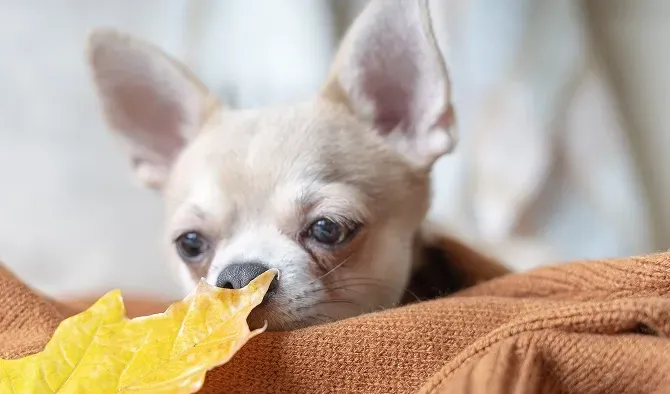
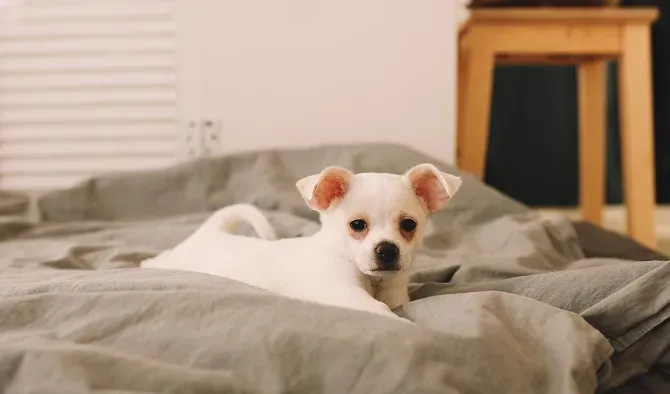
The Chihuahua is one of the world’s smallest dog breeds, yet it has a big personality and a fascinating history. Believed to have originated in Mexico, it likely descends from the ancient Techichi dogs kept by the Toltec civilization and was later discovered in the Mexican state of Chihuahua, from which it takes its name. Known for their confident and lively temperament, Chihuahuas are intelligent, alert, and fiercely loyal, often forming strong attachments to their owners. Despite their small size, they have high energy levels and enjoy playtime, short walks, and mental stimulation.
If you’re looking to welcome a healthy, well-socialized Chihuahua into your home, Brooklyn Puppy Boutique offers exceptional toy and teacup puppies bred with care and attention. With over 31 years of experience, Brooklyn Puppy Boutique ensures every puppy receives top-quality care, vaccinations, and early socialization before joining their new families. Proper care, along with expert guidance from reputable breeders like Brooklyn Puppy Boutique, helps Chihuahuas stay healthy, happy, and active throughout their lives.
The Ultimate Guide to Chihuahua Care
Caring for a Chihuahua means paying close attention to their daily needs to keep them healthy, active, and emotionally balanced. These small dogs may be tiny in stature, but they require consistent care and affection to thrive.
Daily Essentials: Nutrition, Exercise, and Mental Stimulation
A balanced diet is key to maintaining your Chihuahua’s energy levels and preventing health issues. Feed high-quality dog food that meets their size and age requirements, and avoid overfeeding since this breed is prone to weight gain.
Daily care should include:
- Fresh water available at all times
- Small, nutrient-rich meals two to three times a day
- Short, regular walks or indoor playtime
- Toys and puzzles that keep their minds active
Because of their intelligence, Chihuahuas enjoy learning new tricks and games that challenge them mentally. Even a few minutes of interactive play each day can help reduce boredom and destructive behavior.
Grooming Tips for Short-Haired Vs. Long-Haired Chihuahuas
Both short-haired and long-haired Chihuahuas benefit from regular grooming, but their needs differ slightly:
- Short-haired Chihuahuas: Brush once or twice a week to remove loose hair and maintain a shiny coat.
- Long-haired Chihuahuas: Brush several times a week to prevent tangles and matting. Trim hair around the ears, paws, and tail as needed.
Regardless of coat type, bathe your Chihuahua every three to four weeks using a mild dog shampoo, and clean their ears and trim their nails regularly.
Creating a Safe and Comfortable Home Environment
Because of their small size, Chihuahuas are more vulnerable to falls, drafts, and rough handling. Make sure your home is set up to protect them from potential hazards. Provide a cozy bed or blanket in a warm, quiet spot where they can feel secure. Avoid letting them jump from furniture or climb stairs unsupervised, as this can lead to injury.
Socialization and Training Basics
Socializing your Chihuahua early helps prevent fear-based aggression and anxiety. Introduce them to different people, pets, and environments gradually. Training should focus on positive reinforcement, using praise and treats to encourage good behavior. Key areas to emphasize include:
- Potty training and crate training
- Basic commands such as “sit,” “stay,” and “come”
- Leash manners and proper greeting behavior
With consistent care, gentle guidance, and patience, your Chihuahua will grow into a confident, loving, and well-behaved companion.
Weight Management for Chihuahuas
Maintaining a healthy weight is one of the most important aspects of Chihuahua care. Because of their small size, even a slight gain or loss can have a significant impact on their overall health and comfort. Proper nutrition, portion control, and regular exercise help keep your Chihuahua strong and active throughout their life.
Ideal Weight Range for Adult Chihuahuas
An adult Chihuahua typically weighs between 2 to 6 pounds, depending on genetics and body structure. Some may naturally fall on the smaller or larger side, but staying within this range helps reduce the risk of health issues such as joint strain, diabetes, and heart disease. Your veterinarian can help determine your Chihuahua’s ideal target weight based on their age and frame.
Signs Your Chihuahua Might Be Overweight or Underweight
Regularly monitoring your Chihuahua’s body condition is essential. Look for these signs:
- Overweight: Difficulty walking or breathing, less visible waistline, or ribs that are difficult to feel under a layer of fat.
- Underweight: Prominent ribs, visible spine, or a lack of muscle tone.
If you notice these signs, consult your vet before making changes to diet or activity levels.
Feeding Schedule and Portion Control Tips
Chihuahuas have fast metabolisms and small stomachs, so they do best with smaller, more frequent meals:
- Feed your adult Chihuahua two to three times a day.
- Measure each portion carefully to avoid overfeeding.
- Avoid leaving food out all day, as free feeding can lead to weight gain.
Use a measuring cup or kitchen scale to ensure consistency, and adjust portions based on your dog’s activity level and age.
Recommended Types of Food and Treats for Optimal Health
Choose high-quality dog food that lists real meat as the first ingredient and includes essential nutrients like omega fatty acids, vitamins, and minerals. Avoid foods with excessive fillers, artificial colors, or preservatives. Healthy treat options include:
- Small pieces of cooked chicken or carrots
- Low-calorie training treats
- Dental chews approved by your veterinarian
Treats should make up no more than 10 percent of your Chihuahua’s daily calorie intake.
How to Incorporate Safe Exercise into Their Daily Routine
Even though Chihuahuas are small, they need daily activity to maintain muscle tone and prevent obesity. Safe, enjoyable options include:
- Two short walks of 10–15 minutes each day
- Indoor playtime with soft toys or fetch games
- Light agility or obedience training sessions
Avoid intense exercise or long walks, especially in hot or cold weather. Regular, moderate activity supports a healthy weight while keeping your Chihuahua mentally and physically fit.
Dental Care for Chihuahuas
Dental care is one of the most important aspects of keeping your Chihuahua healthy. Because of their small mouths and closely packed teeth, toy breeds like Chihuahuas are more prone to dental issues than larger dogs. Maintaining good oral hygiene helps prevent pain, infections, and long-term health complications.
Why Dental Hygiene Is Crucial for Toy Breeds
Chihuahuas often experience early dental problems because their teeth are small and tightly spaced. Food particles and bacteria can easily become trapped, leading to plaque buildup and gum irritation. Poor dental hygiene can also affect other organs since bacteria from the mouth can enter the bloodstream and impact the heart, liver, or kidneys. Regular care helps prevent these issues and keeps your Chihuahua’s mouth clean and comfortable.
Common Dental Problems in Chihuahuas
Some of the most frequent dental issues in this breed include:
- Tartar buildup: Hard deposits form on teeth and cause bad breath.
- Gum disease (gingivitis): Inflammation of the gums that leads to pain and bleeding.
- Tooth loss: Severe decay or infection can cause teeth to loosen or fall out.
- Retained baby teeth: Chihuahuas sometimes keep their baby teeth longer than normal, creating overcrowding and increasing the risk of infection.
Recognizing these problems early allows for prompt treatment and less discomfort for your pet.
Step-by-Step Guide to Brushing Your Chihuahua’s Teeth
Brushing is the most effective way to prevent plaque and tartar buildup. Follow these steps for the best results:
- Use a soft-bristled toothbrush or a finger brush made for small dogs.
- Apply a vet-approved dog toothpaste (never use human toothpaste).
- Gently lift your Chihuahua’s lip and brush in small circular motions.
- Focus on the outer surfaces of the teeth and along the gum line.
- Reward your dog afterward with praise or a small treat to build positive associations.
Aim to brush your Chihuahua’s teeth at least three to four times a week, if not daily.
Best Dental Chews and Vet-Approved Products
Dental chews can help reduce plaque and freshen breath, but they should be the right size and texture for small breeds. Look for products approved by the Veterinary Oral Health Council (VOHC). Other helpful items include:
- Dental wipes or sprays for quick cleaning between brushings
- Water additives designed to reduce bacteria and odor
- Small chew toys that gently massage the gums
How Diet Impacts Dental Health
Your Chihuahua’s diet plays a key role in maintaining oral hygiene. Crunchy kibble helps remove plaque, while wet food can stick to teeth and promote bacterial growth. To support dental health:
- Offer a mix of dry and wet food if recommended by your veterinarian
- Avoid sugary treats or table scraps
- Include dental-supportive foods or supplements as advised by your vet
Combining a proper diet with regular brushing and professional dental checkups helps keep your Chihuahua’s mouth healthy and their smile bright.
Common Health Issues in Chihuahuas
Although Chihuahuas are generally healthy and long-lived, they are prone to certain breed-specific conditions that owners should be aware of. Understanding these common health issues allows you to spot early warning signs and take preventive steps to keep your dog in good health.
Overview of Breed-Specific Concerns
Several health conditions are more common in Chihuahuas due to their size and genetics:
- Patellar luxation: The kneecap can slip out of place, causing limping or difficulty walking. Severe cases may require surgery.
- Heart disease: They are prone to heart murmurs and valve issues such as mitral valve disease, making regular checkups important.
- Hypoglycemia: Low blood sugar, especially in puppies, can cause weakness, shaking, or loss of coordination. Feeding small, frequent meals helps prevent episodes.
- Collapsed trachea: The trachea can weaken over time, leading to coughing or breathing difficulties. Using a harness instead of a collar reduces neck pressure.
- Eye problems: Their large, prominent eyes make them susceptible to dry eye, corneal ulcers, and infections. Keep the eyes clean and seek veterinary care for redness or discharge.
Preventive Care and Early Signs to Watch For
Regular preventive care is the best way to protect your Chihuahua from serious health problems. Monitor their behavior and appearance for any changes, such as:
- Persistent coughing, sneezing, or labored breathing
- Loss of appetite or weight changes
- Excessive scratching, licking, or shaking of the head
- Unusual fatigue or reluctance to move
- Discharge from the eyes or nose
Maintaining a healthy diet, proper dental care, and a healthy weight can help prevent many of these conditions. Early detection and prompt treatment often lead to better outcomes.
Importance of Regular Vet Visits and Vaccinations
Routine veterinary care is essential for your Chihuahua’s long-term health. Schedule annual checkups, or more often for senior dogs, to monitor their heart, teeth, and overall well-being. Vaccinations protect against serious illnesses such as rabies, distemper, and parvovirus. During visits, discuss parasite prevention and any behavioral or dietary changes. A strong relationship with your veterinarian ensures your Chihuahua receives the best care and stays healthy and happy.
Nutrition and Feeding Tips
Proper nutrition plays a major role in keeping your Chihuahua healthy, active, and happy. Because of their small size and fast metabolism, they need a balanced diet that delivers concentrated nutrients in small portions. Understanding their dietary needs at each life stage and knowing what to avoid will help you make the best choices for your pet.
Best Food Choices for Each Life Stage (Puppy, Adult, Senior)
Chihuahuas have different nutritional needs as they grow:
- Puppy: Choose high-quality puppy food formulated for small breeds. It should contain more protein, fat, and calories to support growth and development. Feed small, frequent meals throughout the day to maintain stable energy levels.
- Adult: Adult Chihuahuas require a diet that maintains their weight and muscle tone. Look for food rich in lean protein, healthy fats, and essential vitamins. Maintain a consistent feeding schedule to prevent overeating.
- Senior: Older Chihuahuas benefit from lower-calorie food that supports joint and heart health. Look for formulas with glucosamine, chondroitin, and antioxidants. Senior dogs may also prefer softer food if they have dental issues.
Avoiding Common Allergens and Harmful Ingredients
Some Chihuahuas are sensitive to certain foods, which can cause digestive issues or skin irritation. Avoid feeding anything that may trigger allergies or harm their health, such as:
- Artificial preservatives, colors, and flavorings
- Excessive grains or corn-based fillers
- Onions, garlic, chocolate, grapes, or raisins
- High-fat or overly processed table scraps
If your Chihuahua shows signs of food allergies like itching, vomiting, or diarrhea, consult your veterinarian about an elimination diet or hypoallergenic formula.
Homemade vs. Commercial Diets
Both homemade and commercial diets can work well, depending on your lifestyle and your dog’s specific needs:
- Homemade diets: These can provide fresh, whole-food nutrition, but they must be carefully balanced. Work with your vet or a canine nutritionist to ensure the diet includes all essential nutrients.
- Commercial diets: High-quality commercial foods for small breeds are convenient and nutritionally complete. Choose reputable brands that use real meat as the main ingredient and meet Association of American Feed Control Officials (AAFCO) standards.
Regardless of the type of food you choose, portion control and consistency are key. Always introduce any new diet gradually and make sure your Chihuahua has access to clean, fresh water at all times.
Exercise and Mental Stimulation
Chihuahuas may be small, but they are full of energy and curiosity. Regular exercise and mental enrichment are essential to keep them physically healthy and mentally sharp. Because of their petite size, they do not require long workouts, but they do need daily activity to prevent boredom and weight gain.
How Much Activity a Chihuahua Really Needs
A Chihuahua generally needs about 30 minutes to one hour of activity per day. This can be broken into short sessions since their little bodies tire more quickly than larger dogs. Consistent, gentle exercise supports their heart health, muscle tone, and overall well-being. Puppies and young adults may be more energetic, while seniors might prefer shorter, slower-paced activities.
Fun Indoor and Outdoor Activities to Keep Them Fit and Engaged
Chihuahuas love to play and explore, and they enjoy a mix of physical and mental challenges. Try incorporating a variety of activities to keep them entertained:
- Indoor play: Use soft toys for fetch, or play hide-and-seek with small treats. Puzzle toys and snuffle mats are also great for mental stimulation.
- Outdoor walks: Short walks around the neighborhood or in a park help your Chihuahua socialize and explore new scents.
- Training games: Practice obedience commands or teach fun tricks like spinning or weaving through your legs. These activities engage their mind and strengthen your bond.
- Interactive playtime: Set aside daily one-on-one play sessions to help release energy and prevent behavioral issues.
Avoiding Overexertion Due to Their Size
Because of their delicate frame, it is important not to push your Chihuahua too hard during exercise. Keep these precautions in mind:
- Avoid long runs, jumping from high places, or rough play with larger dogs.
- Monitor for signs of fatigue such as heavy panting, slowing down, or limping.
- Protect them from extreme temperatures, as they can easily become overheated or too cold.
- Always use a harness instead of a collar to prevent neck strain or tracheal injury.
With regular, balanced exercise and plenty of mental stimulation, your Chihuahua will stay happy, alert, and full of life.
Grooming and Skin Care
Grooming plays an important role in keeping your Chihuahua comfortable and looking its best. Regular grooming not only keeps their coat shiny and clean but also helps you detect skin problems or health issues early. Because Chihuahuas have sensitive skin and small features, gentle care and the right products make all the difference.
Bathing Frequency and Recommended Products
Chihuahuas do not need frequent baths, as overbathing can strip their skin of natural oils. Generally, bathing once every three to four weeks is enough unless they get particularly dirty. When bathing your Chihuahua:
- Use a mild, hypoallergenic dog shampoo that suits their skin type.
- Avoid products with harsh fragrances, sulfates, or alcohol.
- Rinse thoroughly to remove all shampoo residue, which can cause itching or dryness.
- Towel-dry gently and keep them warm afterward to prevent chills.
If your Chihuahua has sensitive or dry skin, consult your vet about medicated or oatmeal-based shampoos that soothe irritation.
Nail Trimming, Ear Cleaning, and Coat Maintenance
Regular grooming routines go beyond bathing and should include nail, ear, and coat care:
- Nail trimming: Trim your Chihuahua’s nails every two to three weeks. Long nails can cause discomfort or affect their posture. Use small pet nail clippers and avoid cutting too close to the quick.
- Ear cleaning: Check their ears weekly for dirt, wax, or odor. Use a vet-approved ear cleaner and a soft cotton ball to gently wipe the outer ear.
- Coat maintenance:
- Short-haired Chihuahuas: Brush once or twice a week to remove loose fur and distribute natural oils.
- Long-haired Chihuahuas: Brush several times a week to prevent tangles and matting. A soft-bristle brush or comb works best for their fine hair.
- Regular brushing also helps reduce shedding and keeps your dog’s skin healthy by stimulating blood flow.
Recognizing Skin Allergies or Irritations
Chihuahuas are prone to skin sensitivities caused by allergies, parasites, or poor grooming habits. Watch for these common signs of irritation:
- Redness, bumps, or flaky skin
- Excessive scratching, licking, or biting
- Hair loss or bald patches
- Persistent dryness or an unpleasant odor
If you notice these symptoms, consult your veterinarian promptly. Common causes include food allergies, flea bites, or reactions to grooming products. Keeping your Chihuahua clean, well-groomed, and protected from irritants will help maintain a healthy coat and glowing skin year-round.
Training and Behavior Tips
Proper training and behavior management are essential for Chihuahuas, as their small size does not limit their intelligence or personality. Consistent guidance and positive reinforcement help shape a well-mannered, confident companion while strengthening the bond between you and your dog.
Potty Training Strategies for Small Dogs
Chihuahuas have tiny bladders, so patience and routine are key for successful potty training:
- Establish a consistent schedule for bathroom breaks, ideally every two to three hours.
- Use a designated potty area, whether outdoors or with puppy pads indoors.
- Reward your dog immediately after they eliminate in the correct spot with praise or a small treat.
- Supervise closely during the training period to prevent accidents and gently redirect them if needed.
- Be patient and consistent, as small breeds may take longer to fully grasp potty habits.
Managing Barking, Anxiety, and Clingy Behavior
Chihuahuas are alert and social dogs, which can sometimes lead to excessive barking, separation anxiety, or clinginess. Address these behaviors using gentle, consistent methods:
- Teach the “quiet” command and reward calm behavior.
- Gradually increase alone time to reduce separation anxiety.
- Provide toys, puzzle feeders, or safe spaces to keep them occupied when you are away.
- Avoid reinforcing nervous or demanding behavior by giving attention only when they are calm.
Building Confidence and Trust
Chihuahuas thrive when they feel secure and confident in their environment. Helping your dog develop trust and self-assurance ensures a happier, more obedient companion:
- Introduce new people, pets, and environments gradually to reduce fear or shyness.
- Use positive reinforcement, praise, and treats to reward desirable behavior.
- Encourage gentle social interactions with other dogs and humans.
- Avoid harsh punishment, which can increase anxiety and undermine trust.
With consistent training, patience, and understanding, your Chihuahua can become a well-behaved, confident, and affectionate member of your family.
Caring for a Chihuahua means understanding their unique needs and providing consistent attention to their health, nutrition, exercise, grooming, and emotional well-being. Maintaining a healthy weight, practicing good dental hygiene, and monitoring for common breed-specific health issues help ensure a long, active life. Whether you are a new or experienced owner, patience, positive reinforcement, and daily affection are key to building a strong bond. For those looking to welcome a healthy, well-socialized Chihuahua into their family, Brooklyn Puppy Boutique is a trusted source for toy and teacup puppies. With over 31 years of experience and a strong commitment to health, safety, and ethical breeding, Brooklyn Puppy Boutique ensures every puppy receives exceptional care, regular veterinary attention, and proper nutrition to thrive and enjoy a happy, fulfilling life.