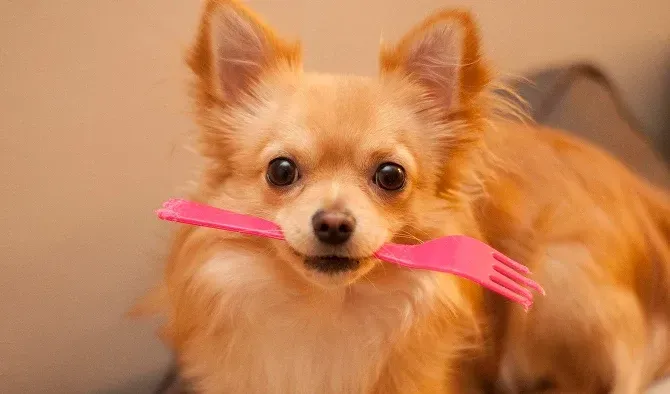
How Much Do Chihuahuas Eat? Feeding Guide for Every Life Stage
Proper feeding is essential for keeping Chihuahuas healthy, energetic, and happy throughout their lives by providing complete and balanced nutrition. Despite their small size, Chihuahuas have unique nutritional needs that require careful attention. Their diet plays a crucial role in supporting growth, maintaining a healthy weight, and preventing common health issues such as dental problems and low blood sugar.
Chihuahua nutrition is not one-size-fits-all. Factors such as age, weight, activity level, and overall health can significantly affect how much and what type of food they need. Puppies, adults, and senior Chihuahuas each have specific requirements to ensure they thrive at every stage of life.
If you are a Chihuahua owner or considering adopting one, understanding the proper feeding amounts is key to your dog’s well-being. For those ready to bring home a happy, well-cared-for Chihuahua, Brooklyn Puppy Boutique is a trusted breeder specializing in toy and teacup puppies for over 31 years, offering expert care, health guarantees, and guidance to ensure every puppy gets the best start toward a healthy, nourished life. This guide will provide clear recommendations and practical tips to help you feed your Chihuahua the right way for a long, healthy life.
Understanding Chihuahua Nutrition
Chihuahuas are small but energetic dogs with high metabolic rates, meaning they burn calories quickly and require nutrient-dense food to stay healthy. Proper nutrition, including high-quality food, is essential to support their rapid growth during puppyhood, maintain energy levels in adulthood, and promote overall longevity. Understanding what makes up a balanced diet for Chihuahuas is the first step in ensuring they live a happy and healthy life.
Balanced nutrition provides the essential building blocks for your Chihuahua’s body, including energy, muscle development, and immune system support. Feeding your dog the right combination of nutrients helps prevent obesity, digestive issues, and deficiencies that can affect long-term health.
Key nutrients that should be included in a Chihuahua’s diet:
- Proteins: Essential for muscle growth, repair, and overall body function. High-quality animal proteins are ideal.
- Fats: Provide concentrated energy, support brain function, and promote a healthy coat and skin.
- Vitamins: Important for immune health, bone development, and metabolic processes.
- Minerals: Support bone strength, dental health, and enzyme function.
By ensuring your Chihuahua receives these nutrients in proper proportions and monitoring their caloric intake, you can help them grow strong, stay energetic, and maintain good health throughout every stage of life.
Dog Food Options for Chihuahuas
Chihuahuas can thrive on a variety of dog food options, and selecting the right type is important for meeting their nutritional needs. Both dry and wet foods have unique benefits, and understanding how to use them effectively can help ensure your Chihuahua stays healthy and satisfied.
Dry Dog Food
Dry dog food, or kibble, is a convenient and popular option for Chihuahuas. It helps promote dental health by reducing plaque buildup and is easy to store and measure for consistent feeding. When choosing quality kibble, look for products that list high-quality animal proteins as the first ingredient and avoid fillers like corn or excessive by-products.
Recommended portion sizes vary depending on age, weight, and activity level. Puppies may require multiple small meals per day, while adult Chihuahuas usually do well with two measured servings daily. Always follow the feeding guidelines provided on the packaging and adjust based on your dog’s body condition.
Wet Dog Food
Wet dog food can be an excellent complement to dry food, especially for Chihuahuas who need extra hydration or are picky eaters. It is often more palatable and can encourage dogs to eat when their appetite is low.
Wet food can be fed alone or mixed with dry kibble to enhance flavor and texture. Including wet food in your Chihuahua’s diet can also provide additional moisture, which supports urinary tract health and overall hydration. Always ensure portions are appropriate to prevent overfeeding.
Feeding Chihuahua Puppies
Proper nutrition is crucial for Chihuahua puppies as it supports their rapid growth, bone development, and overall health. Puppies require a higher calorie intake relative to their body size compared with adult dogs to fuel their energy needs and help build strong muscles and organs. Feeding them the right type of food at the correct frequency ensures they grow into healthy adult Chihuahuas.
Recommended food quantity and frequency for Chihuahua puppies:
- Frequency: Puppies under three months old should be fed four small meals per day. Between three and six months, three meals per day are sufficient. After six months, transitioning to two meals daily is appropriate.
- Quantity: Portion sizes depend on weight and activity level. On average, Chihuahua puppies may require about ¼ to ½ cup of high-quality puppy food per day, divided among their meals. Always follow the feeding guidelines on your chosen food brand and adjust as needed.
Tips for transitioning from milk to solid food:
- Start with a soft, moistened puppy kibble to make it easier to chew.
- Gradually reduce the amount of water or formula over several days to help puppies adjust to solid food.
- Monitor your puppy for any digestive issues and make adjustments slowly to prevent stomach upset.
By providing the right nutrition and feeding schedule, you can help ensure that your Chihuahua puppy grows strong, healthy, and well-nourished.
Feeding Adult Chihuahuas
Adult Chihuahuas have different nutritional needs than puppies, as their growth has stabilized and their energy requirements are more consistent. Providing the right amount of food helps maintain a healthy weight, supports daily activity, and prevents obesity, which is common in small breeds.
Typical daily food quantity for adult Chihuahuas:
- Most adult Chihuahuas require about ¼ to ½ cup of high-quality dry or wet food per day, divided into two meals.
- The exact amount depends on your dog’s size, metabolism, and activity level.
Adjustments based on individual factors:
- Weight: Underweight dogs may need slightly larger portions or more calorie-dense food, while overweight dogs may require smaller servings or fewer treats.
- Activity Level: Highly active Chihuahuas may need extra calories, while less active dogs should receive slightly smaller portions.
- Metabolism: Each dog’s metabolism can affect how quickly they burn calories. Monitor body condition and adjust portions accordingly.
Using feeding charts can make portion tracking easier:
- Feeding charts provide recommended amounts based on weight and life stage.
- Tracking portions helps prevent overfeeding and ensures your Chihuahua receives balanced nutrition.
- Charts can also guide gradual adjustments if your dog gains or loses weight.
By monitoring food quantity and adjusting portions carefully, adult Chihuahuas can maintain optimal health, energy, and longevity.
Feeding Senior Chihuahuas
As Chihuahuas age, their dietary needs change to support overall health and prevent age-related issues. Senior dogs often have slower metabolisms and reduced activity levels, making it important to adjust their diet to maintain a healthy weight and avoid obesity. Proper nutrition can also help manage common health concerns such as joint stiffness, dental issues, and heart health.
Changes in dietary needs with age:
- Older Chihuahuas may require fewer calories due to decreased activity.
- Digestibility becomes more important, so foods that are easy to digest and nutrient-dense are ideal.
- Protein quality should remain high to help preserve muscle mass.
Portion size adjustments to maintain a healthy weight:
- Reduce daily food amounts slightly if your senior Chihuahua is less active.
- Monitor body condition regularly and adjust portions to prevent weight gain or loss.
- Divide food into two smaller meals per day to support digestion and energy levels.
Foods that support joint and heart health:
- Include sources of omega fatty acids, such as fish oil, to promote joint flexibility and a healthy coat.
- Incorporate foods enriched with glucosamine and chondroitin to support joint function.
- Choose heart-healthy options with controlled sodium levels and essential nutrients to maintain cardiovascular health.
Feeding your senior Chihuahua a diet tailored to their age and health needs can help them stay active, comfortable, and vibrant well into their later years.
Raw Diet and Raw Feeding
A raw diet, often called a BARF diet (Biologically Appropriate Raw Food), is becoming increasingly popular among Chihuahua owners seeking a more natural approach to nutrition. This diet typically includes raw meat, bones, fruits, and vegetables, and it can provide numerous benefits when implemented correctly. However, there are also risks that pet owners should consider before switching their Chihuahua to a raw feeding regimen.
Benefits and risks of a raw diet:
- Benefits: Raw feeding can improve coat condition, increase energy levels, support healthy teeth, and provide a more natural source of nutrients.
- Risks: Raw diets can carry the risk of bacterial contamination, nutritional imbalances, and potential choking hazards from bones. It requires careful planning and handling to avoid these issues.
How to safely implement raw feeding for Chihuahuas:
- Introduce raw food gradually, mixing it with their current diet to allow the digestive system to adjust.
- Source high-quality, fresh ingredients and follow proper food handling practices to minimize contamination.
- Consult a veterinarian or canine nutritionist to ensure your Chihuahua receives all essential nutrients.
Recommended protein and fat ratios:
- Protein: 40 to 50 percent of the diet should come from high-quality animal proteins, such as chicken, turkey, beef, or fish.
- Fat: 20 to 30 percent of calories should come from healthy fats to provide energy and support skin and coat health.
- Balance the remaining portion with vegetables and supplements as needed to meet vitamin and mineral requirements.
When done safely and thoughtfully, raw feeding can be a nutritious option that supports your Chihuahua’s overall health and well-being.
Special Considerations
Caring for a Chihuahua involves more than just providing the right type of food. Some dogs have unique preferences, specific health needs, or sensitivities that require extra attention. Understanding these special considerations can help ensure your Chihuahua remains healthy, happy, and well-nourished.
Picky Eaters
Some Chihuahuas may be selective about what they eat, which can make feeding a challenge. Strategies to encourage eating include:
- Warming wet food slightly to enhance aroma and appeal.
- Mixing small amounts of different foods or textures to add variety.
- Using high-quality supplements or toppers to make meals more enticing.
Food Quantity and Monitoring
Monitoring your Chihuahua’s food intake is key to maintaining a healthy weight and preventing overfeeding. Tips include:
- Regularly weighing your dog and assessing body condition to ensure they are neither underweight nor overweight.
- Adjusting portion sizes based on activity level, age, and metabolism.
- Using feeding charts or measuring tools to provide consistent servings.
Omega Fatty Acids
Omega fatty acids are essential nutrients that play a major role in maintaining your Chihuahua’s skin, coat, and overall health. Key points include:
- Role: Omega fatty acids support a shiny coat, healthy skin, joint health, and cardiovascular function.
- Sources: Include fish oil, canine-specific supplements, or foods enriched with omega-3 and omega-6 fatty acids.
By addressing picky eating habits, carefully monitoring food intake, and incorporating essential nutrients like omega fatty acids, you can help your Chihuahua maintain optimal health and enjoy every meal.
Tips for Pet Owners
Feeding a Chihuahua properly requires careful attention and a bit of planning. By understanding food labels, establishing a consistent feeding schedule, and recognizing signs of overfeeding or underfeeding, pet owners can help their dogs maintain optimal health.
How to read dog food labels:
- Check the ingredient list to ensure high-quality proteins are listed first.
- Look for added vitamins and minerals to support overall health.
- Avoid foods with excessive fillers, artificial preservatives, or by-products.
Creating a feeding schedule:
- Feed adult Chihuahuas twice daily and puppies three to four times daily, depending on age.
- Maintain consistent meal times to regulate metabolism and prevent overeating.
- Stick to measured portions to avoid accidental overfeeding.
Signs of overfeeding or underfeeding:
- Overfeeding: Noticeable weight gain, difficulty moving, or a rounded body shape.
- Underfeeding: Weight loss, low energy, visible ribs, or slow growth in puppies.
- Regularly monitor your Chihuahua’s weight and body condition to make adjustments as needed.
Following these tips helps pet owners provide balanced nutrition while supporting a Chihuahua’s long-term health and well-being.
Feeding Chart for Chihuahuas
A feeding chart is a helpful tool for Chihuahua owners to provide the right amount of food at every stage of life. Since Chihuahuas are small dogs with high metabolisms, their daily portions need to be carefully measured to support healthy growth, maintain energy levels, and prevent weight issues.
Recommended feeding amounts by life stage:
- Puppies (8 weeks to 6 months)
- Meals: 3 to 4 per day
- Amount per meal: 15 to 30 grams (approximately ¼ cup)
- Total per day: 45 to 120 grams
- Adult Chihuahuas (6 months to 8 years)
- Meals: 2 per day
- Amount per meal: 25 to 50 grams (approximately ¼ to ½ cup)
- Total per day: 50 to 100 grams
- Senior Chihuahuas (8 years and older)
- Meals: 2 per day
- Amount per meal: 20 to 40 grams (approximately ¼ cup)
- Total per day: 40 to 80 grams
These amounts are approximate and can vary depending on your dog’s activity level, metabolism, and overall health. Use this chart as a guideline and adjust portions based on your Chihuahua’s body condition, energy, and veterinary recommendations. Regularly monitoring weight and appearance ensures your dog receives the right amount of nutrition at every life stage.
Proper feeding is essential for Chihuahuas at every life stage, supporting healthy growth, energy, and overall well-being. Monitoring their weight, appetite, and body condition helps prevent overfeeding or underfeeding, while adjustments based on age, activity, and health ensure they thrive. For new owners seeking expert support, Brooklyn Puppy Boutique offers trusted guidance and care for toy and teacup puppies, backed by over 31 years of experience and a strong commitment to puppy health and nutrition. Working with a veterinarian and reputable breeders like Brooklyn Puppy Boutique provides personalized recommendations on food types, portion sizes, and supplements to keep your Chihuahua healthy and happy throughout their life.